
Under BCCP, Haivyan-grown plants consistently express induced novel, reproducible phenotype(s), developmental traits not observed in controls.
These include characteristic shifts in growth architecture, meristem organization, rooting patterns, and whorl formation that appear across multiple cultivars.
Early observations suggest that BCCP may influence plant developmental pathways in a measurable and repeatable manner, forming the basis for new patentable trait classes now under formal study, including expanded studies in adaptogenic, functional, and agricultural food crops.
Haivya’s Infinite Possibilities of Abundance
Consistent Traits Observed Under BCCP…
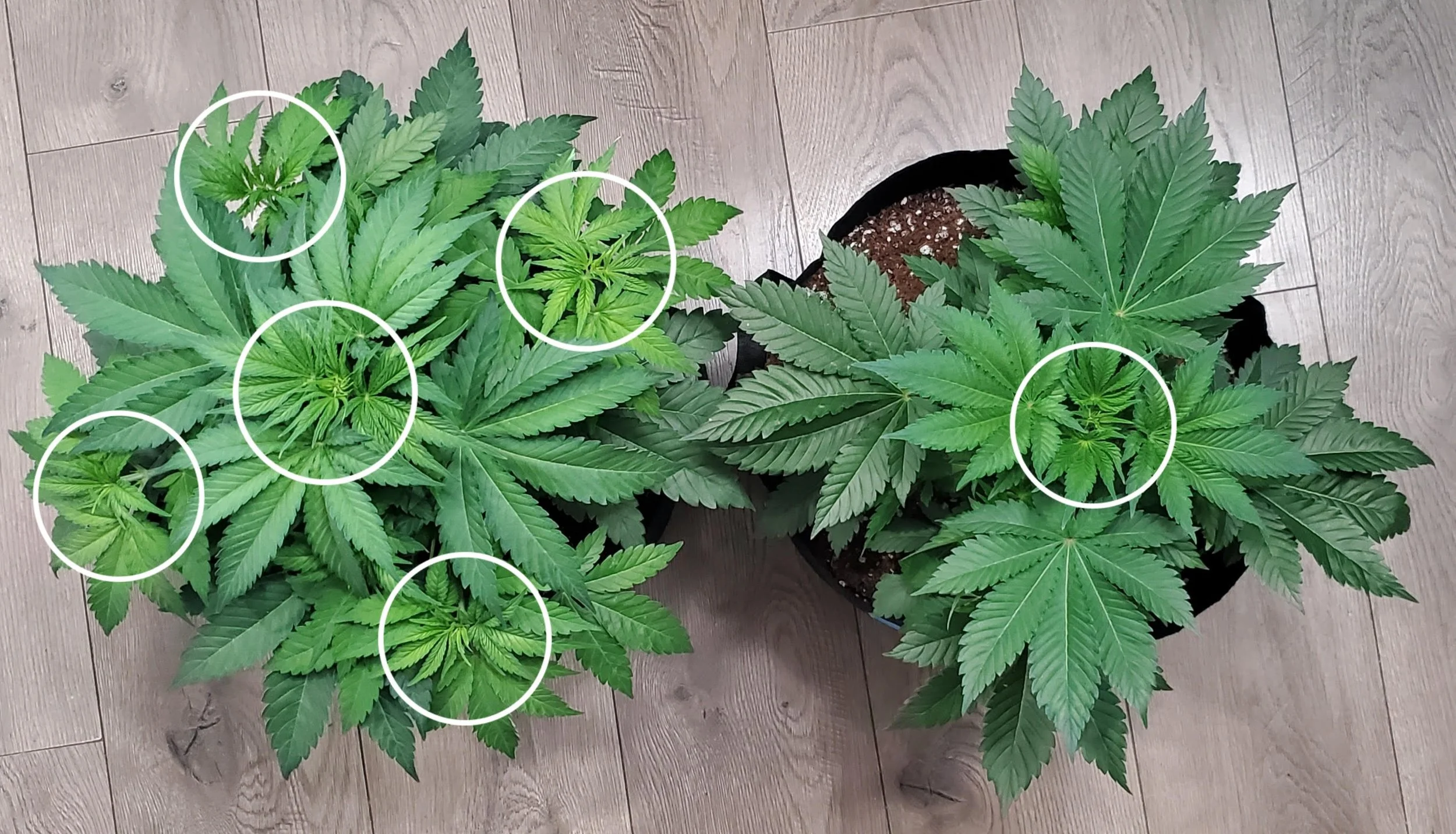
Enhanced Lateral Growth
This is Aeris, a Black Jack strain, Haivya’s case #04 (on the left) who is not only displaying a standard Haivyan trait, lateral branch three leaf whorls, but is also developing 5 main cola’s in comparison to her baseline not receiving Haivya (on the right), germinated the same day, same strain.
This trait is seen consistently across in multiple cultivars.
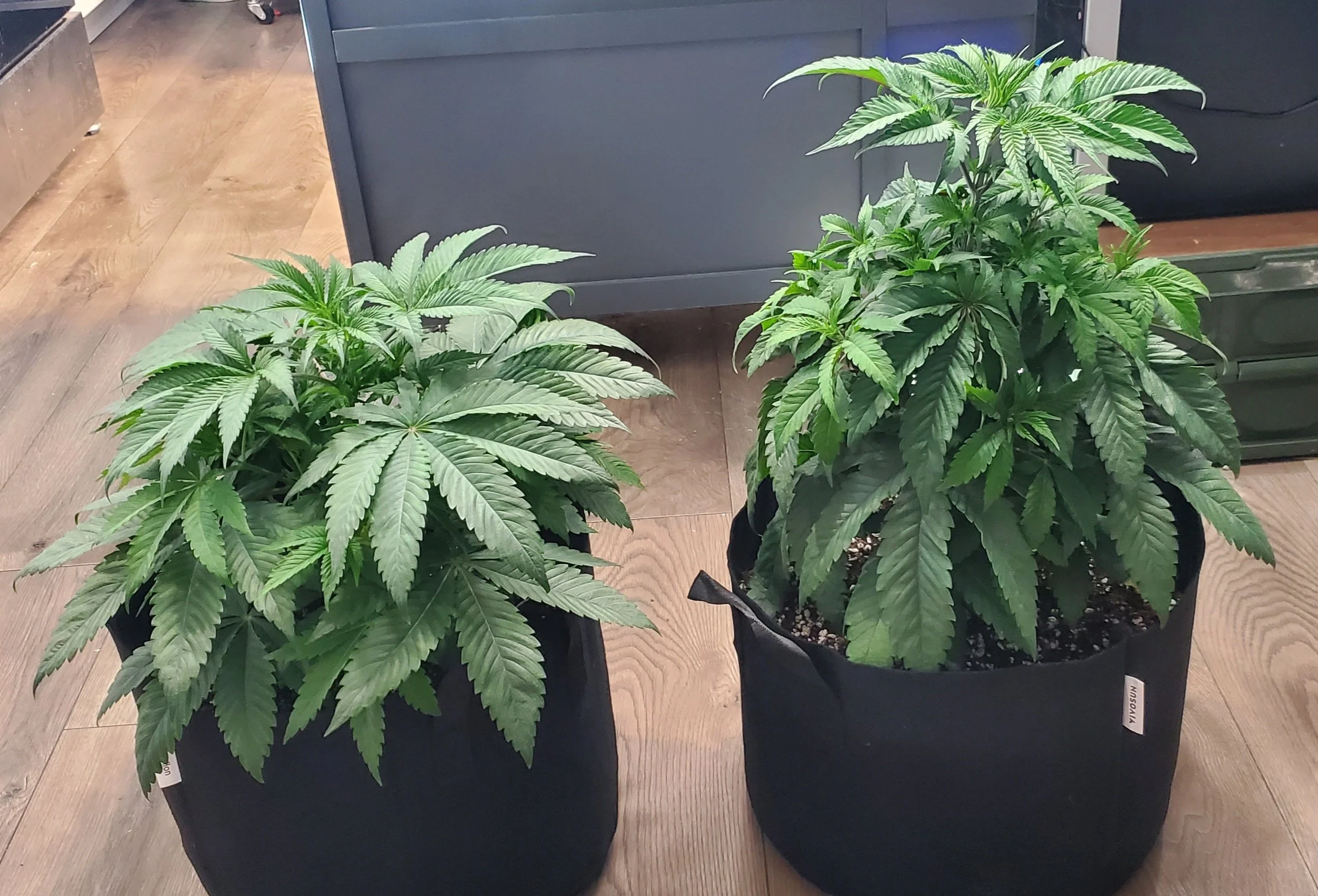
Induced Vertical Growth
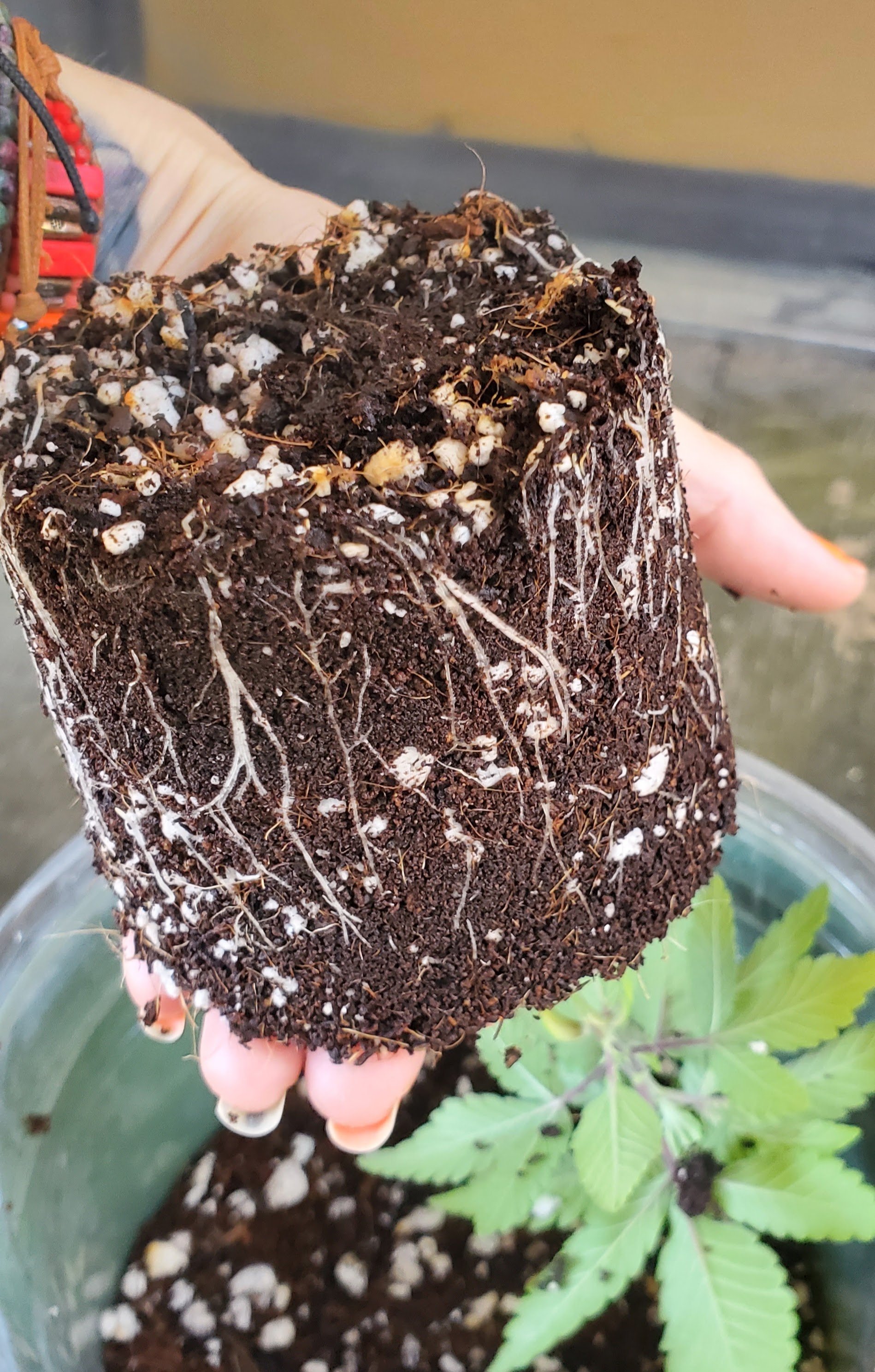
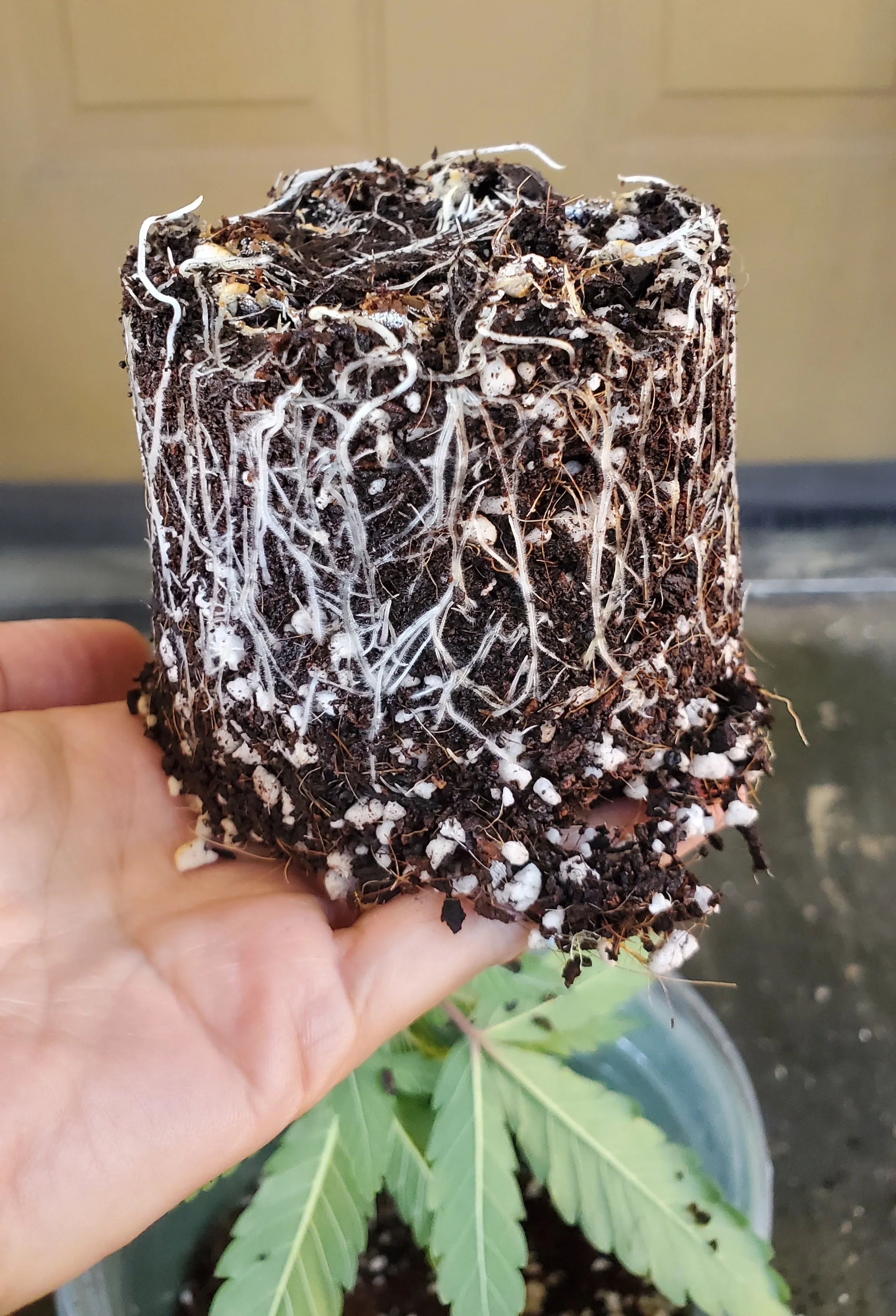
And this is Lyra, we lovingly nicknamed “Lyra Lou Who,” a Granddaddy Purple strain, case #03 (on the right with her baseline on the left). A stubborn Indica strain expressing Haivya in the most unusual ways. Lyra has developed an adventitious rooting system (see photos below) indicative of increased terpene (medicinal) ethylene, cytokinin or auxin expression and for fun, she sprouted her Dr. Seuss hairdo, almost overnight and shot her lower laterals upward to form a double canopy.
BCCP
CONTROL
Control
BCCP
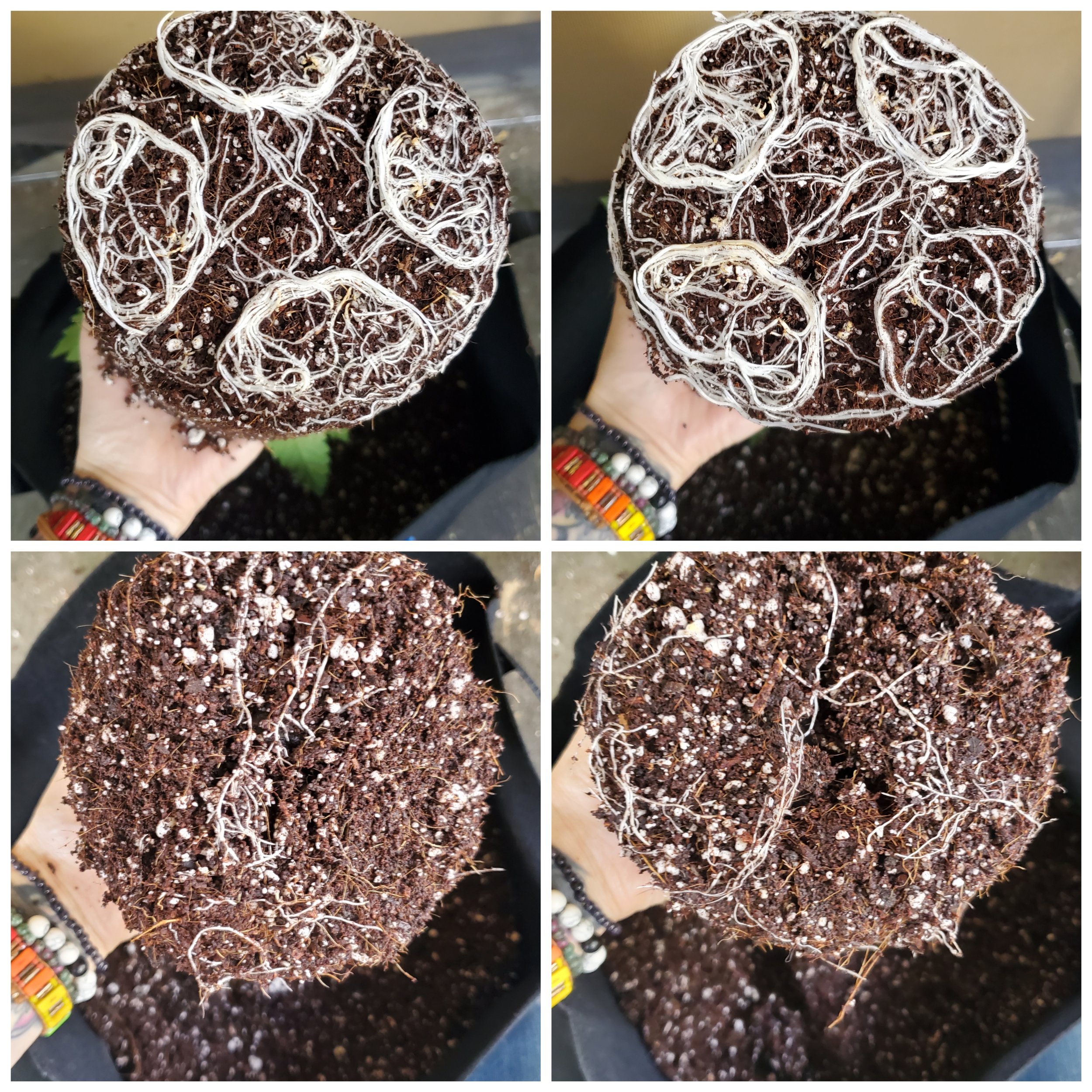
BCCP
CONTROL
Induced Rooting Signatures - consistently appear across multiple plant lineages.
BCCP-exposed plants developing dense, radially organized root networks. These plants are not clones; they are seed-grown individuals from multiple genetic backgrounds. Yet, despite genetic variability, BCCP-exposed plants consistently exhibit a reproducible root phenotype that does not appear in their same-day germinated controls. This phenotype includes accelerated root proliferation, increased lateral branching, enhanced volumetric density, and early adventitious root expression along the basal stem — a trait typically associated with clonal propagation, not seedling development. The recurring emergence of this rooting architecture across non-clonal plants suggests that BCCP may be modulating root development pathways in a measurable and repeatable manner, forming a key component of the Haivyan Induced Phenotype.
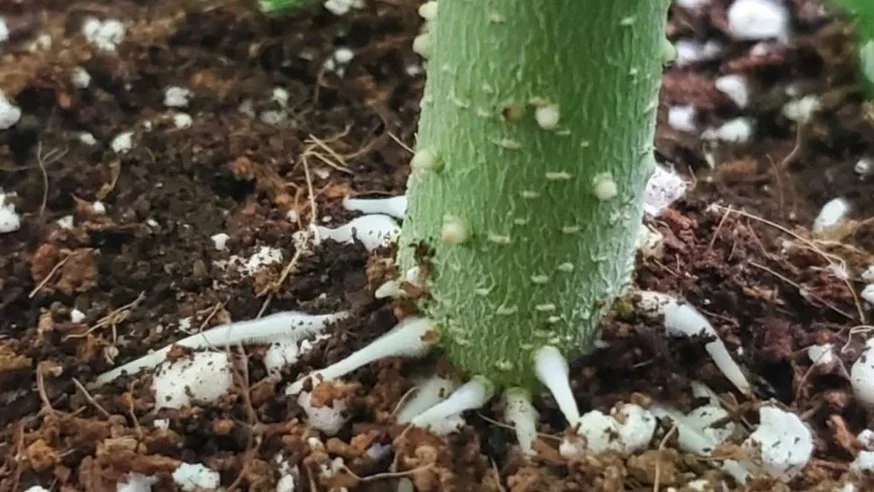
Blue Dream Cultivar
Haivyan BCCP Novel Induced Phenotype, share consistent unusual characteristic. these are adventitious roots, uncommon in medicinal plants, indicates higher Auxin intake
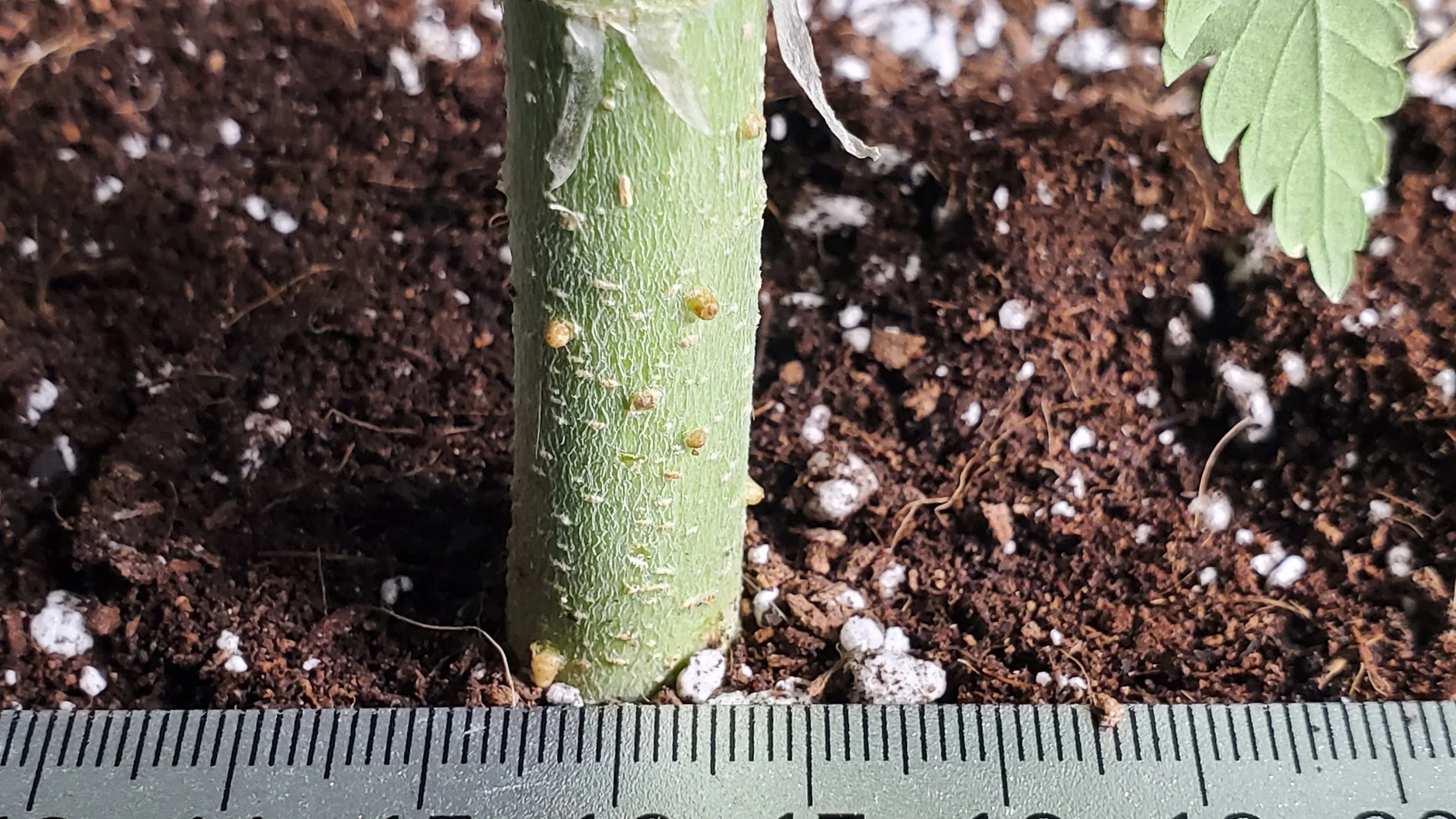
Durban Poison Cultivar
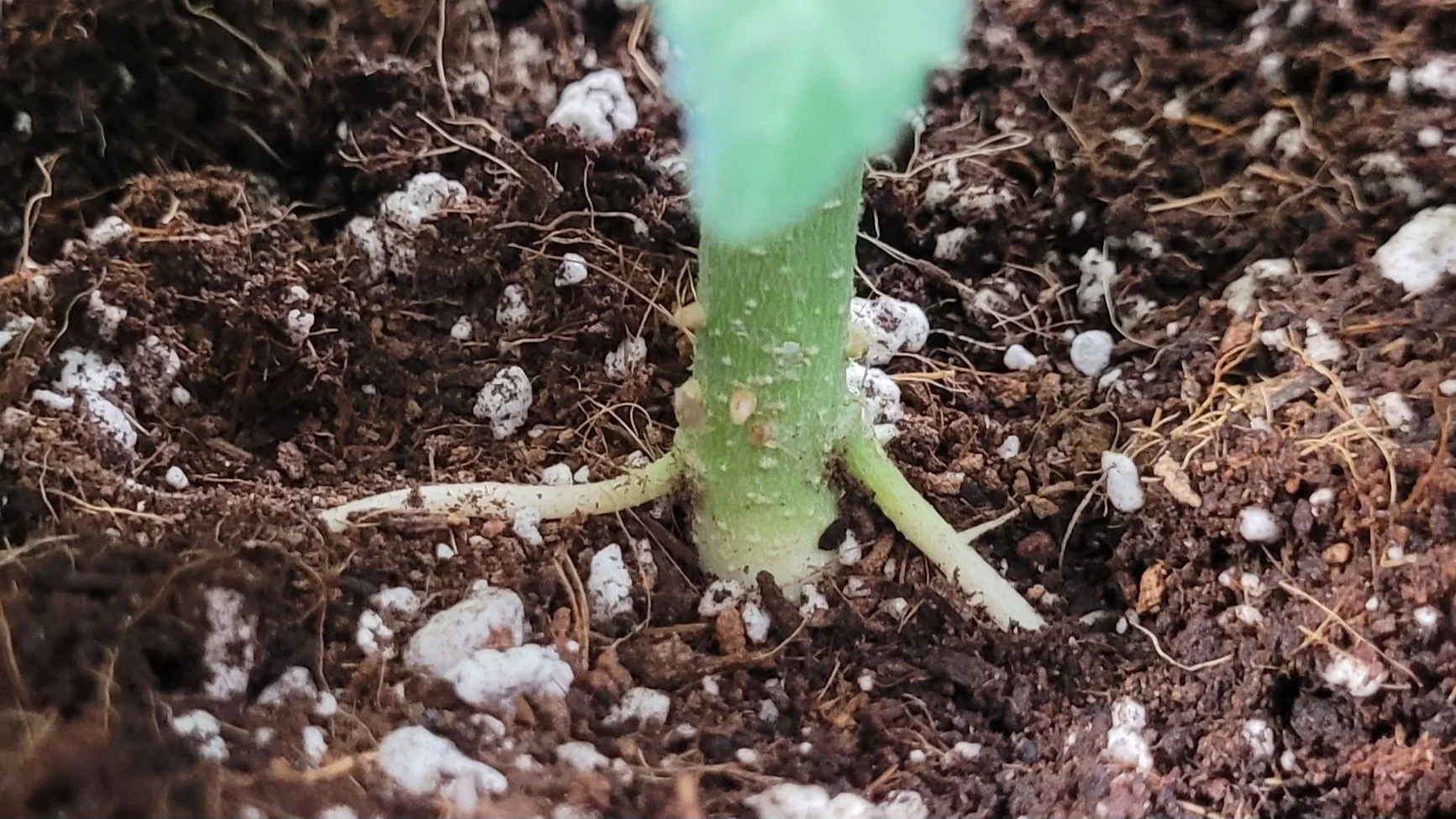
Granddaddy Purple Cultivar
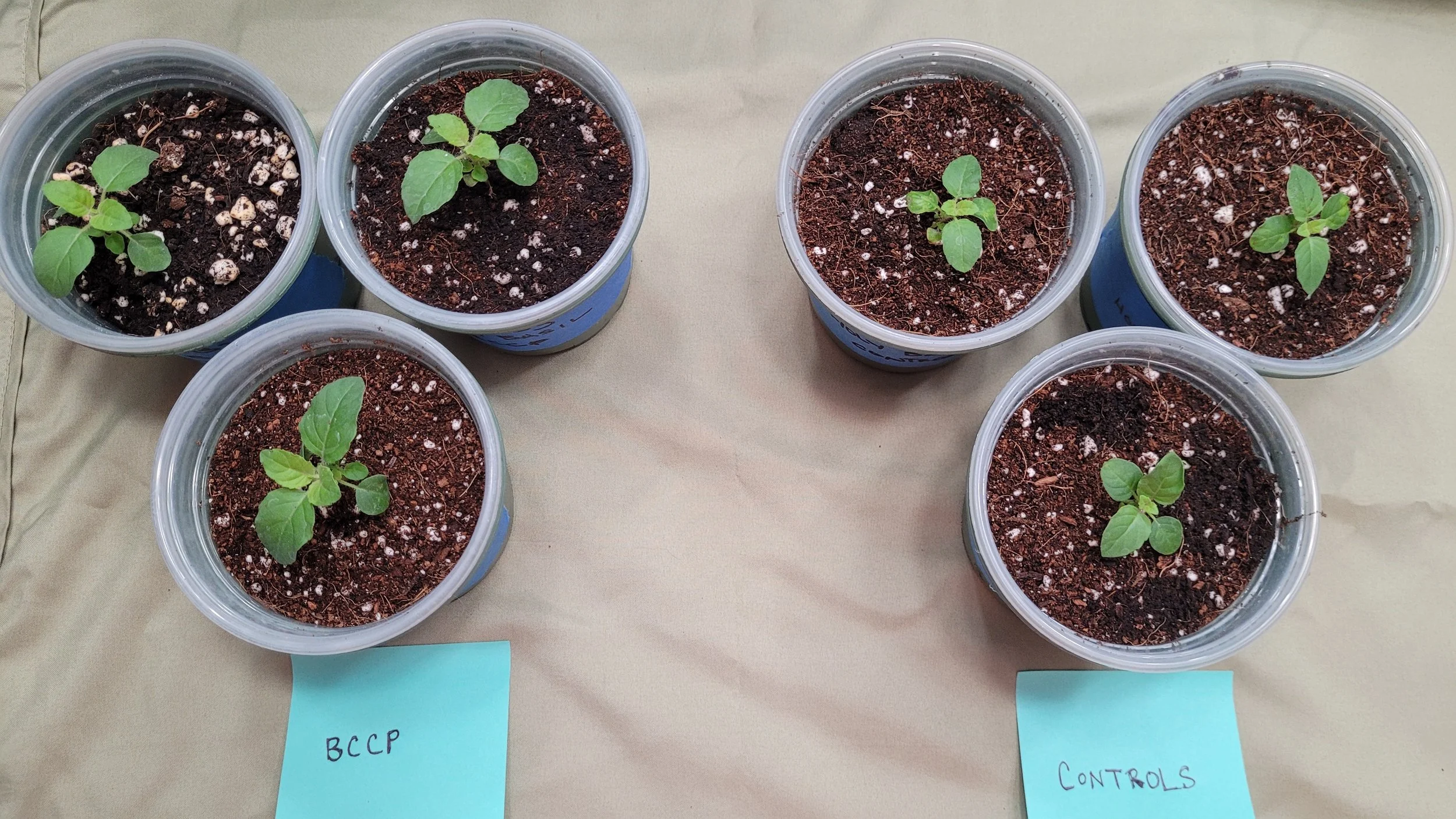
Holy Basil, BCCP on the left, Controls on the right, faster more advanced growth
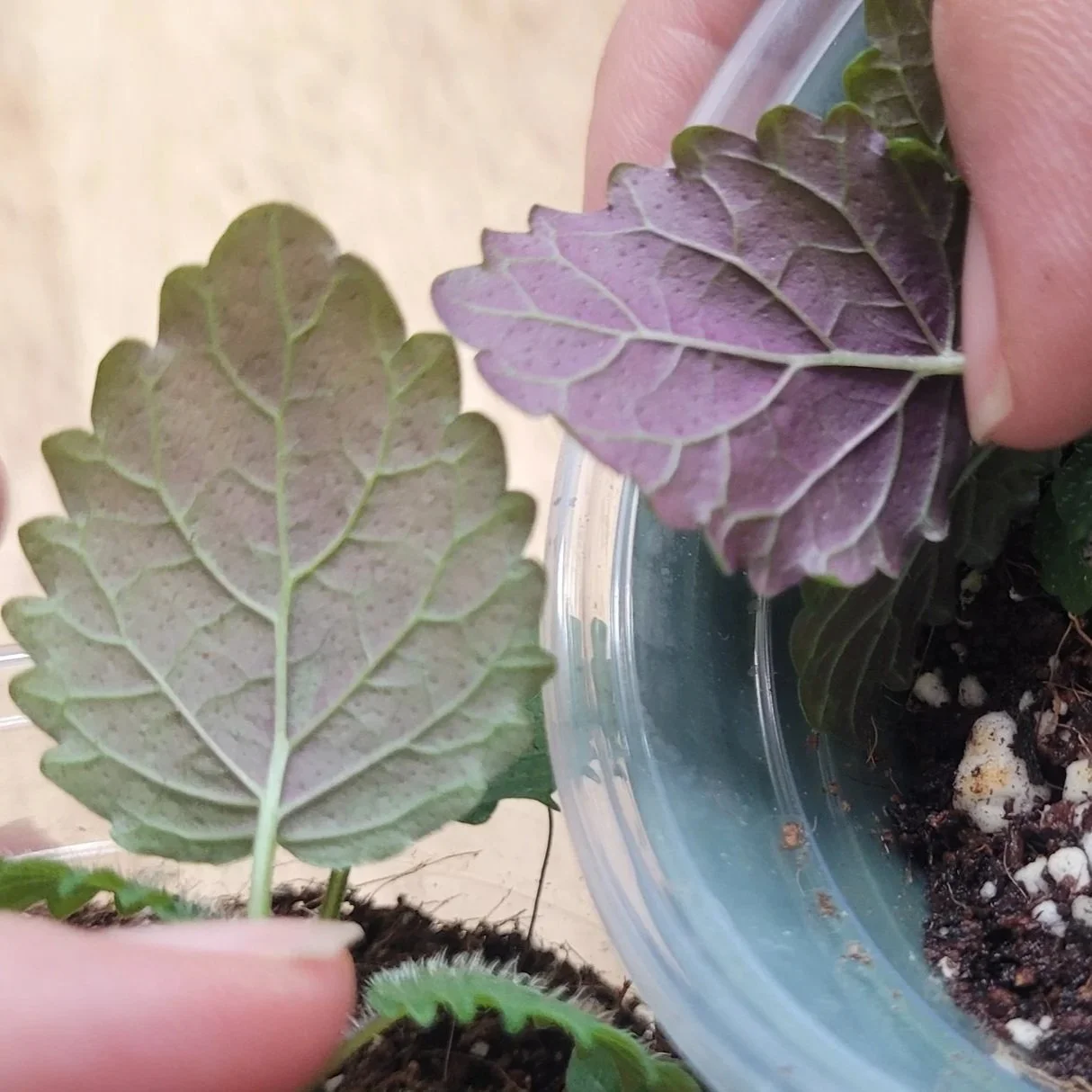
Control
BCCP
Lemon Balm, BCCP (right) Deeper purple = higher Anthocyanins = medicinal enhancements
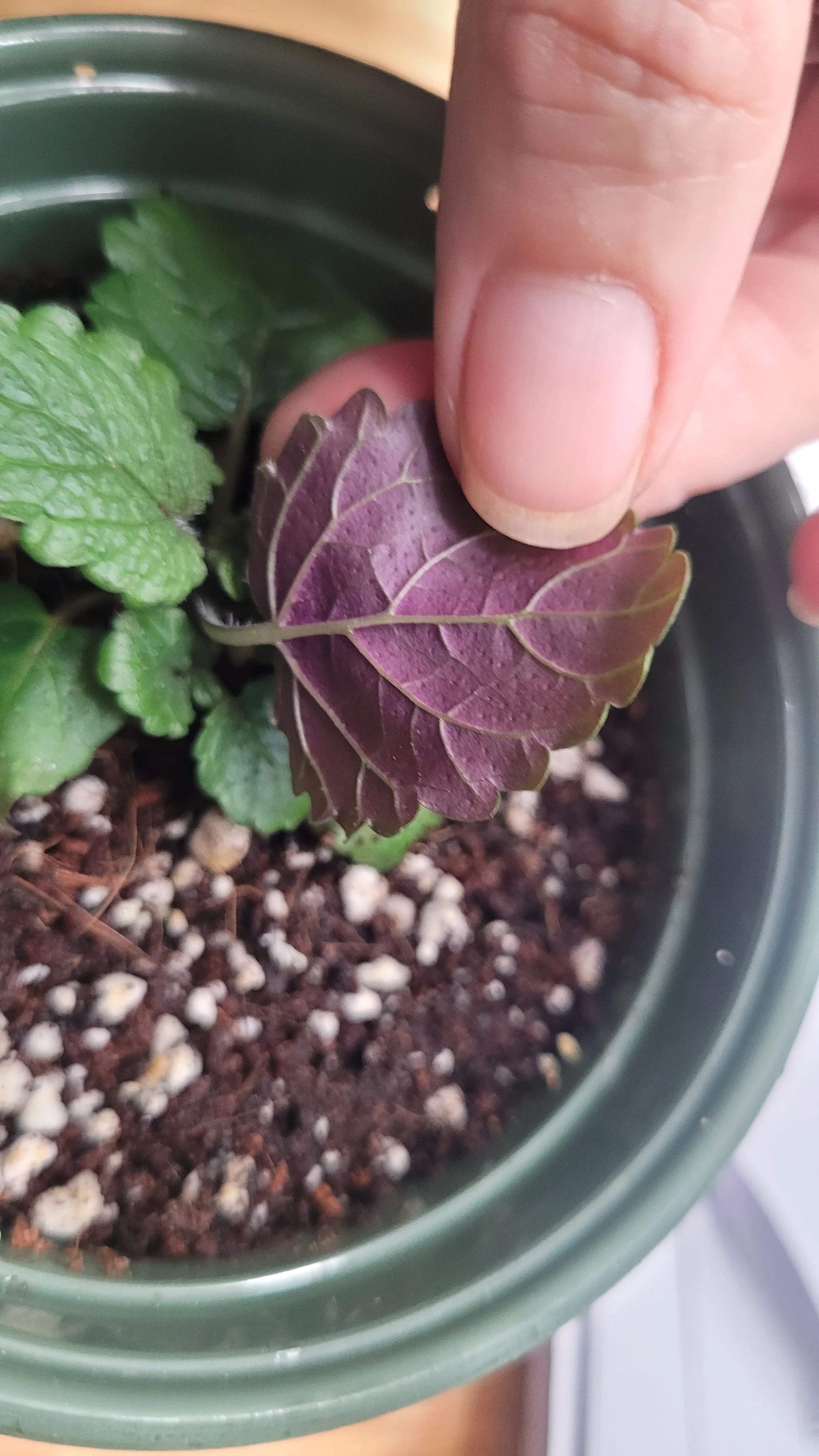
If this is what Haivyan-Grown plants are doing on the outside …
Can you imagine what they’re doing on the inside?
See our Lab Results
Haivya - Cultivation through Communication
And there is MORE: FURTHER MORPHOLOGICAL PHENONMENON OCCURING UNDER HAIVYA
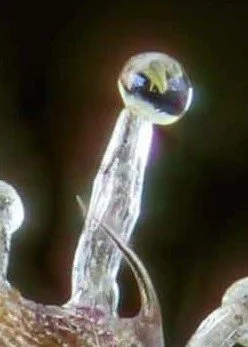
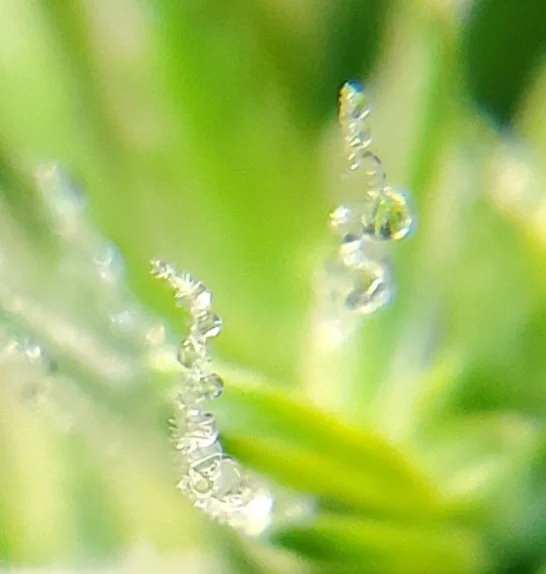
The Haivyan Helix trichome
“Stuns experts”
Instead of one straight stem and one bulb, as seen in the left picture, the Haivyan Helix trichome spirals with multiple bulbs, all loaded with medicinal properties seen on the right.
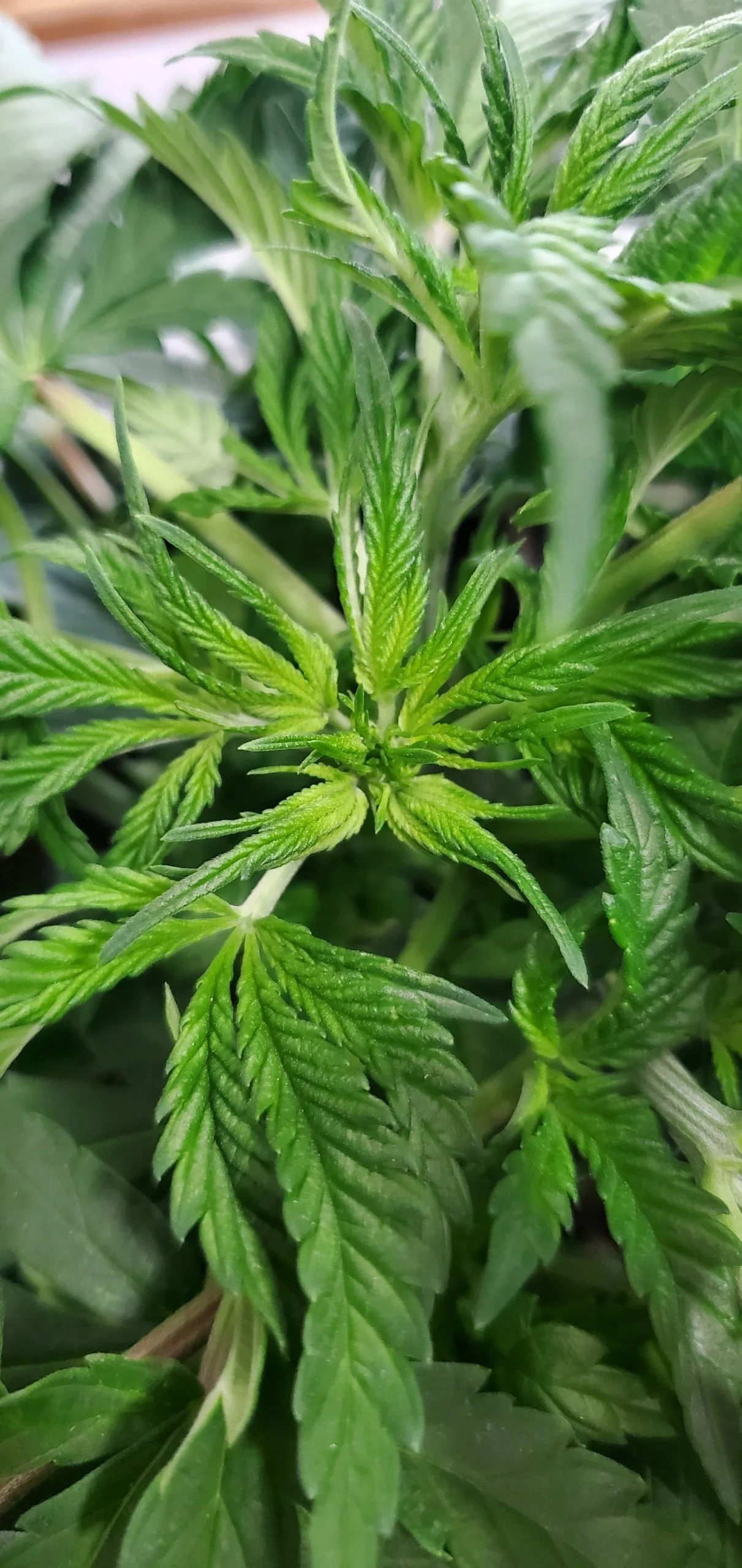
The Haivyan Star
Echo, a Blue Dream strain, case #02 not only created a whorled phyllotaxy, but she created and stabilized never before seen - FIVE LEAF radial burst or whorl. All potential flower sites.
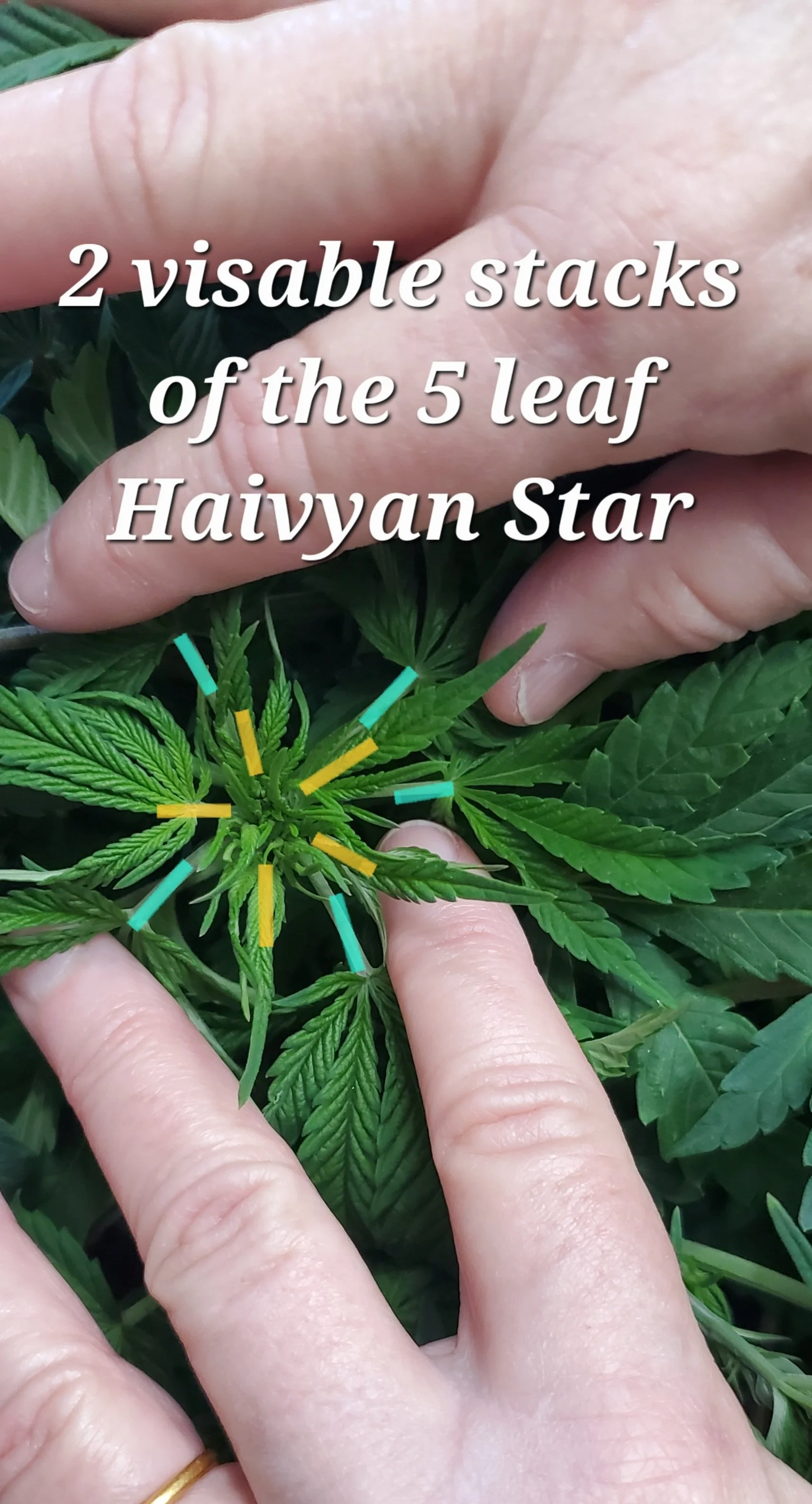
Echo, case #02 displaying morphogenetic enhancements, like fasciation and apical proliferation all contributing to the Haivyan Star. The photos show the main stem splitting to create abundance on every level by naturally creating another main cola site. Echo split herself 3 times before cloning.

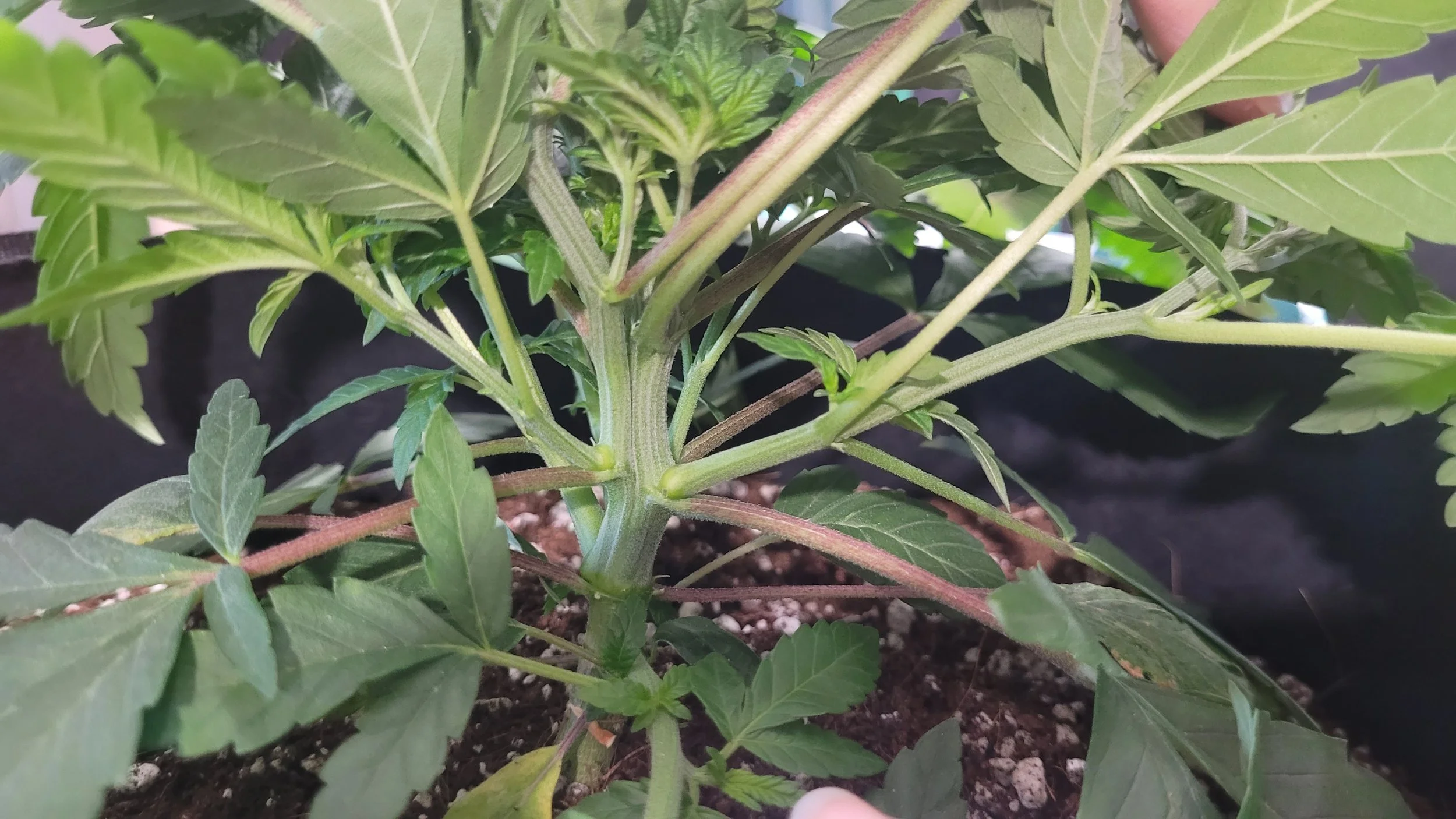
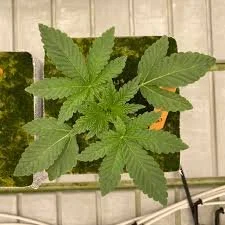
Stabilized 3-leaf Whorled Phyllotaxy
Edenya, a Blue Dream strain, case #01 on the left, showing what is becoming a standard Haivyan trait, the three leaf whorled phyllotaxy, increasing yield by at least 30%, compared to the standard two leaf phyllotaxy shown in the right picture.

The Haivyan Cascade
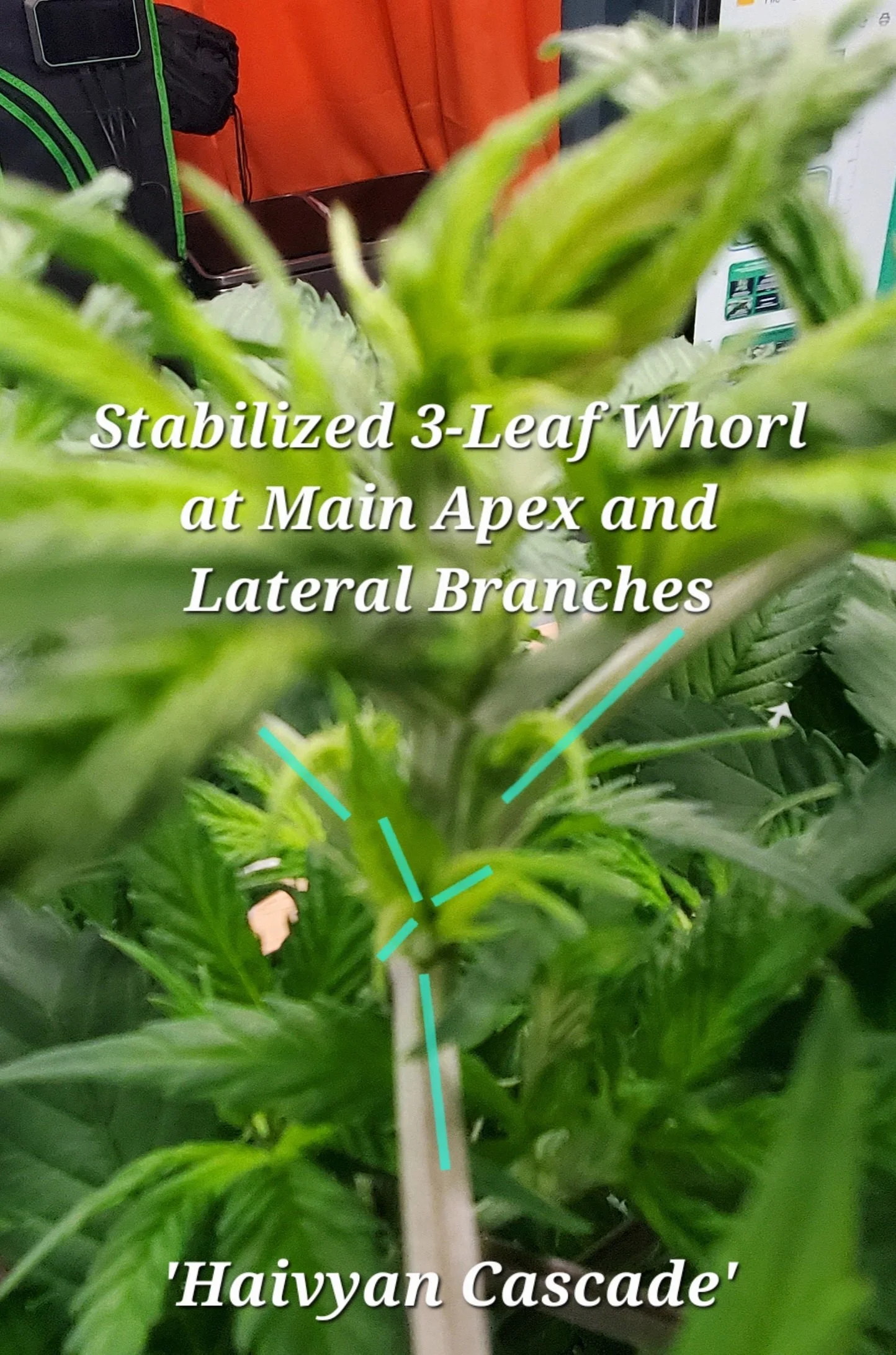
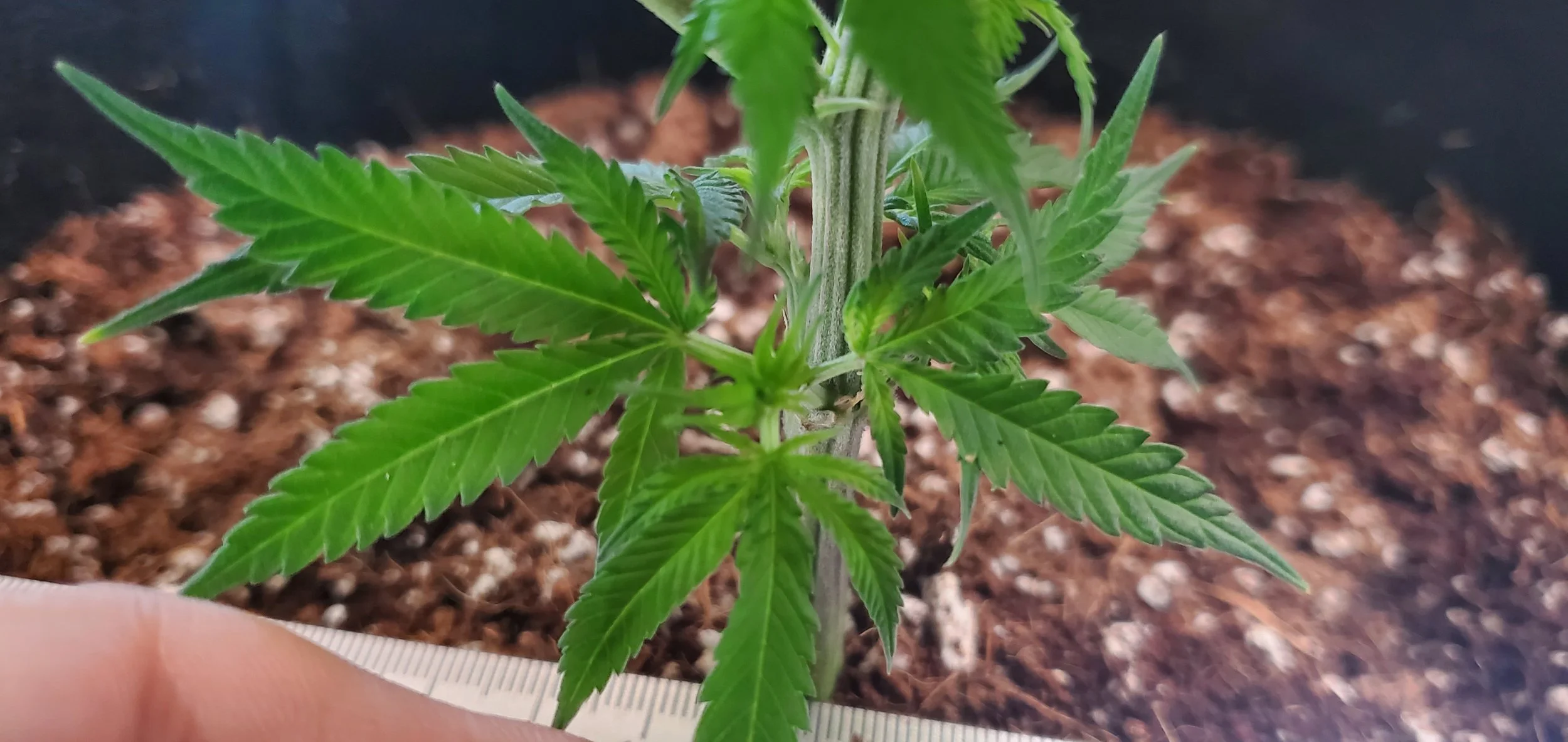
Edenya, case #01, not only stabilized 3 leaf whorled phyllotaxy on her main stem, but also at her lateral branches which has carried through her clone Edenai, case #05.
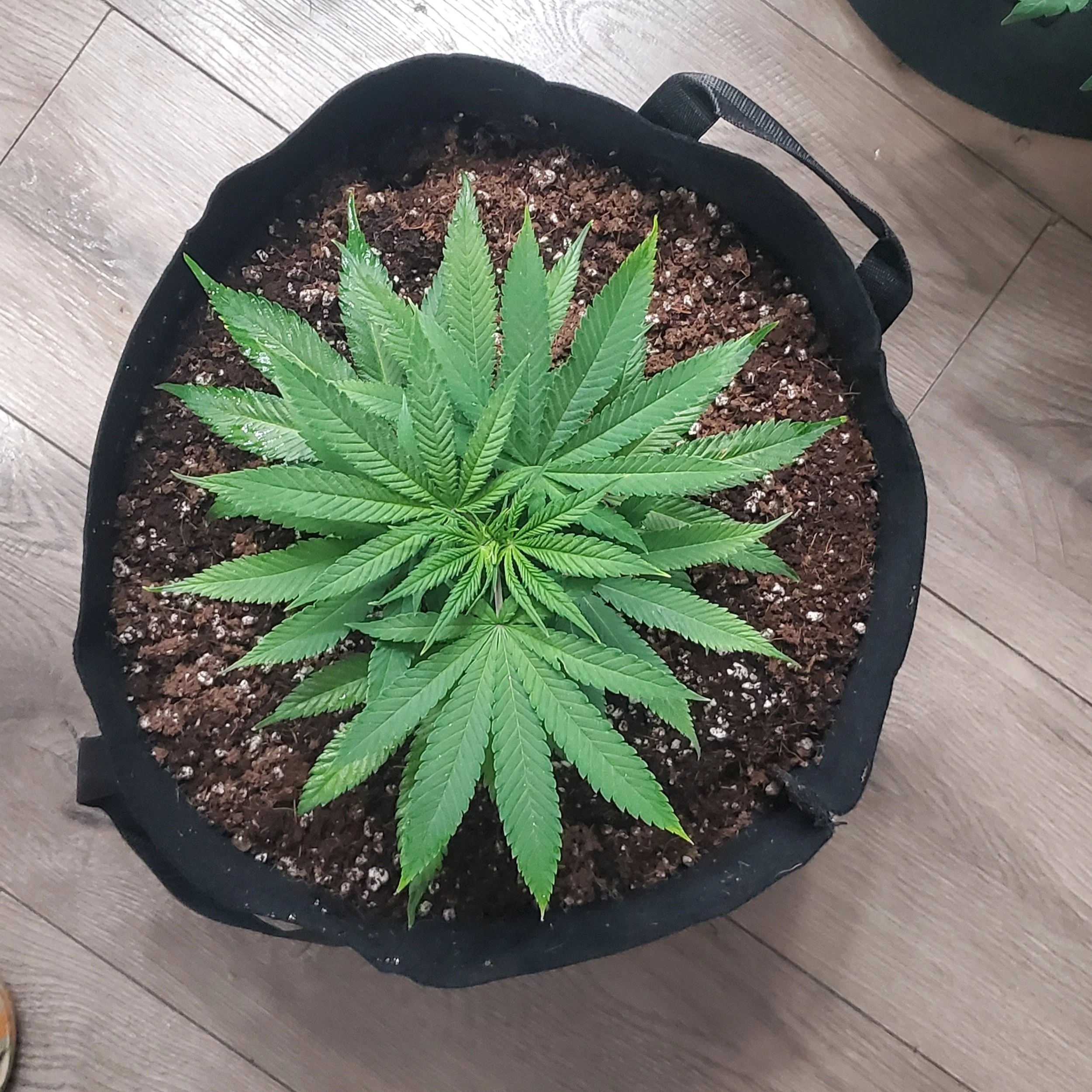
Edenai, case #05, clone from Edenya, displaying whorled 3 leaf phyllotaxy at main stem and lateral branches.
The Haivyan Crown
Displayed first by Edenya, case #01 (on the left) and now by Echo, case #02 (on the right), a beautiful floral arrangement at the bud site where leaves or bracts emerge in a radial spiral pattern reminiscent of the Fibonacci sequence found in sunflowers, pinecones, and seashells. This sacred geometry suggests an elevated level of expression, balance, and beauty.

