
Driven by curiosity and built on purpose, this is where bold thinking meets thoughtful execution. Let’s create something meaningful together.
Big Ideas, Real Impact.
What the Platform Delivers
Accelerated vegetative and reproductive growth vs. controls
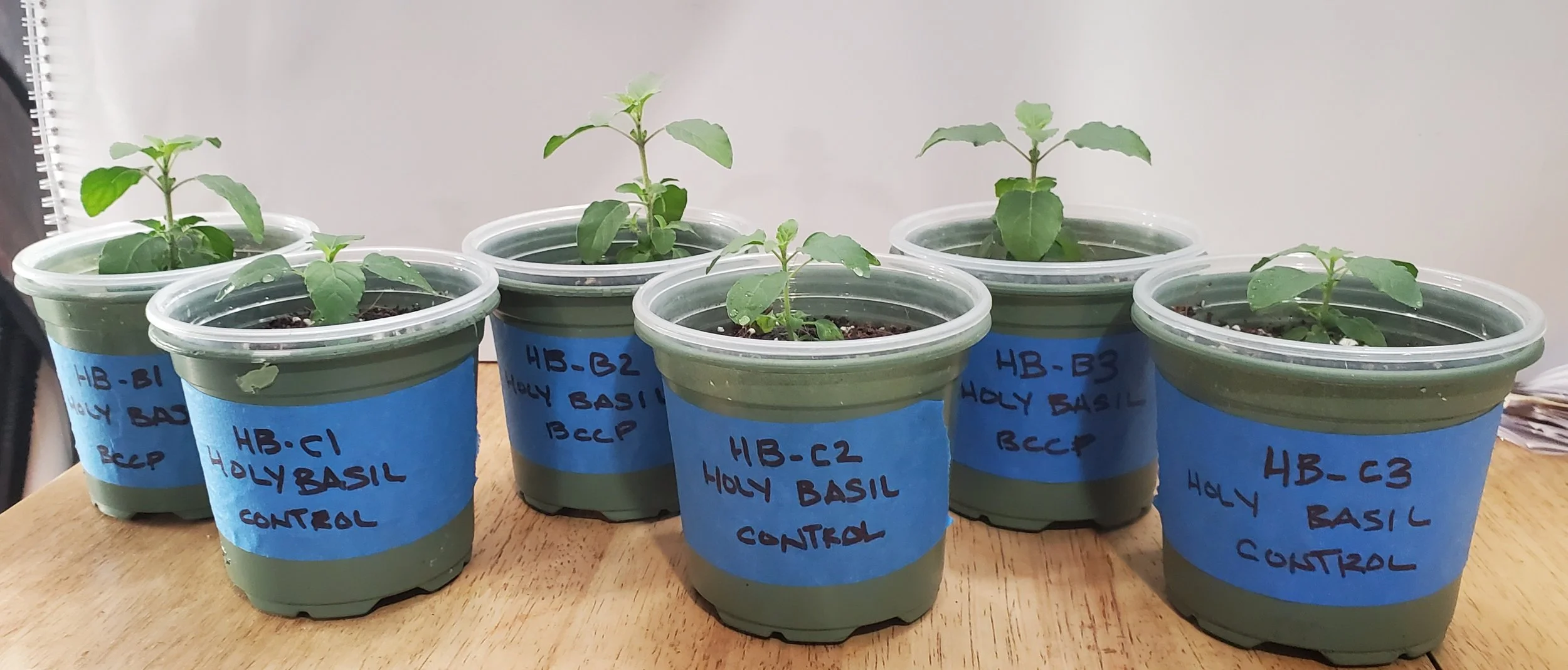
Under identical genetics and environmental conditions, BCCP-treated plants consistently demonstrate faster vegetative growth, increased internodal extension, and earlier progression toward reproductive development relative to untreated controls.
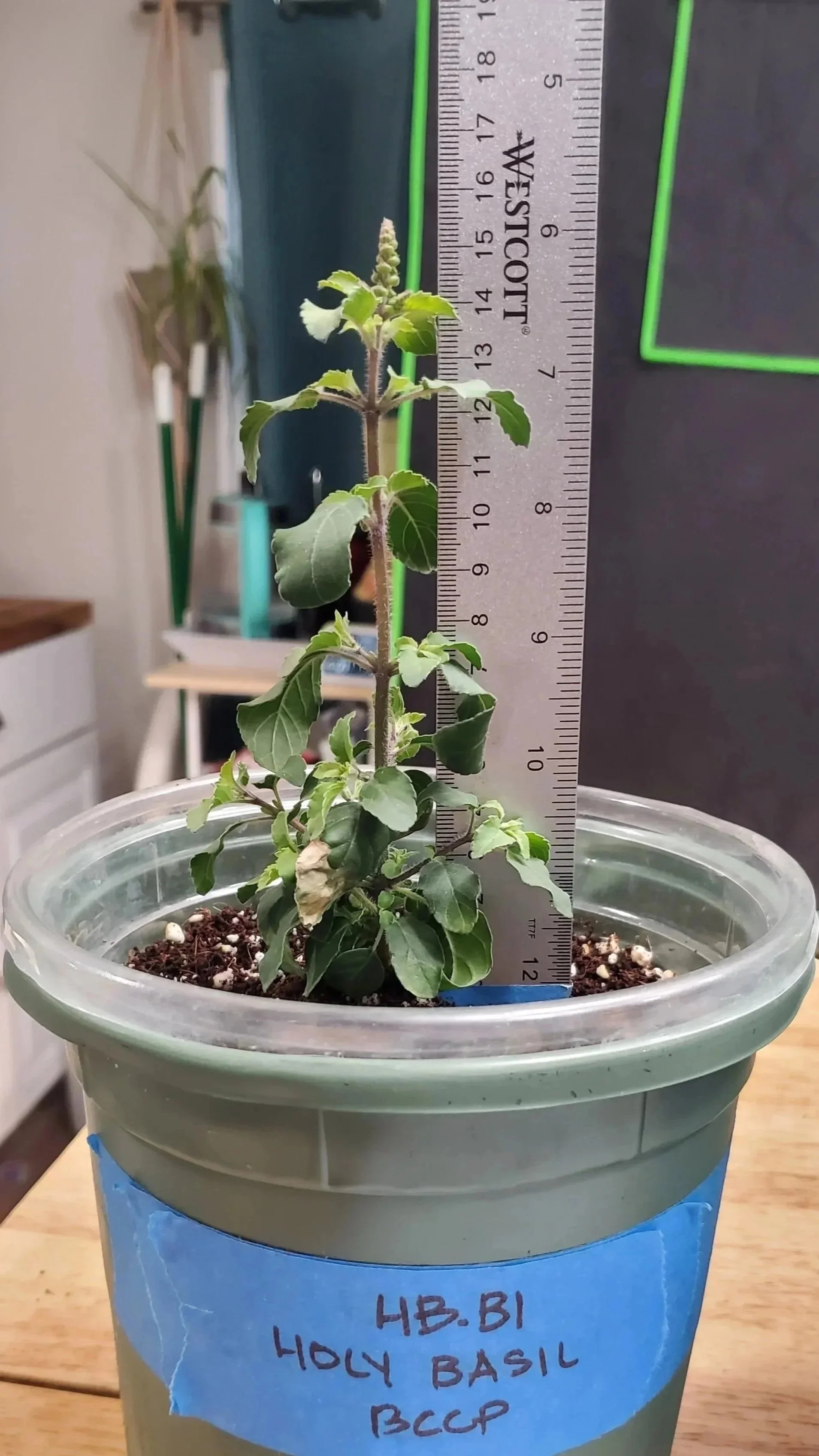
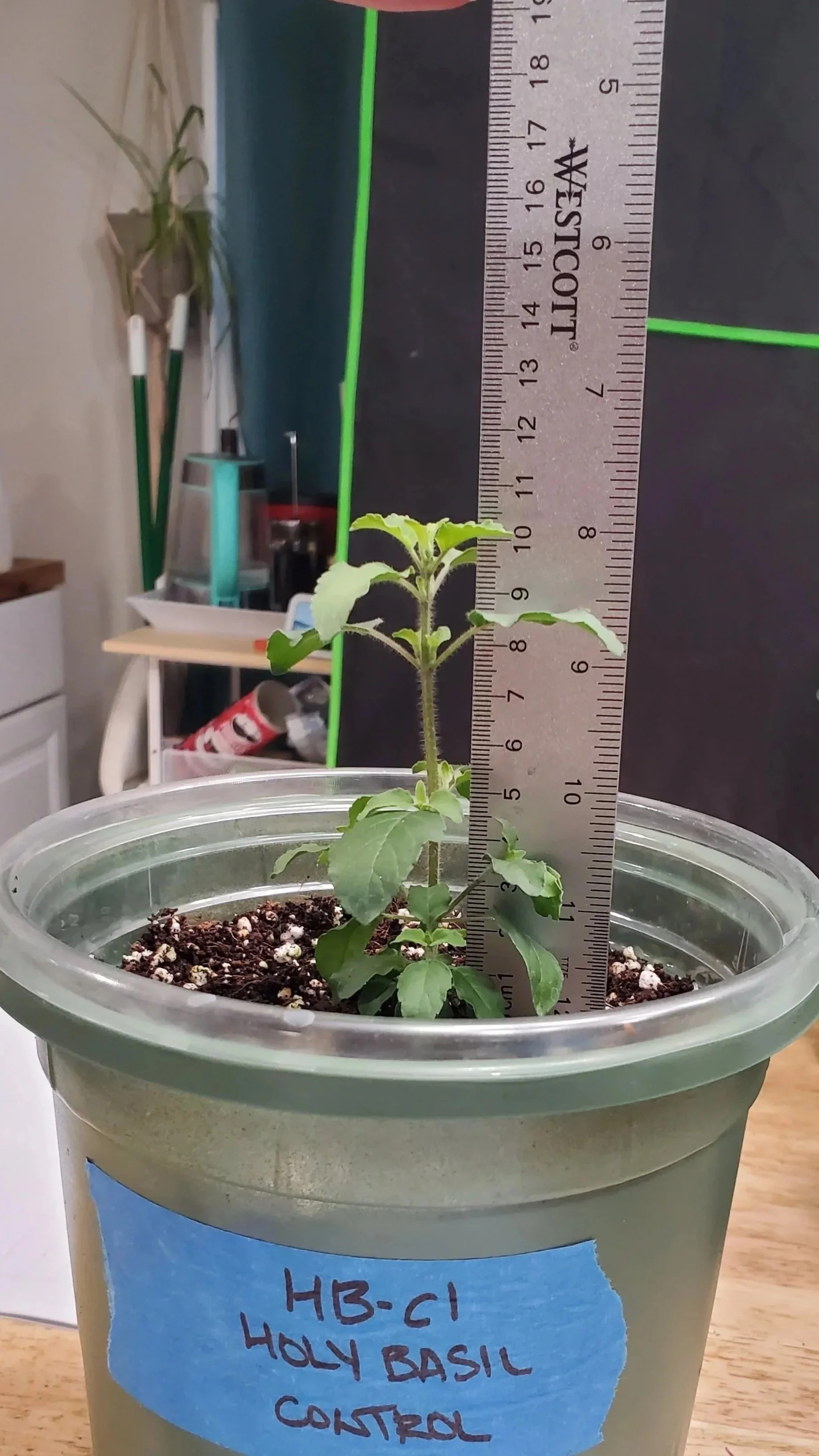
As shown in the photos, Holy Basil demonstrates accelerated growth, and earlier structural and reproductive development compared to untreated controls.
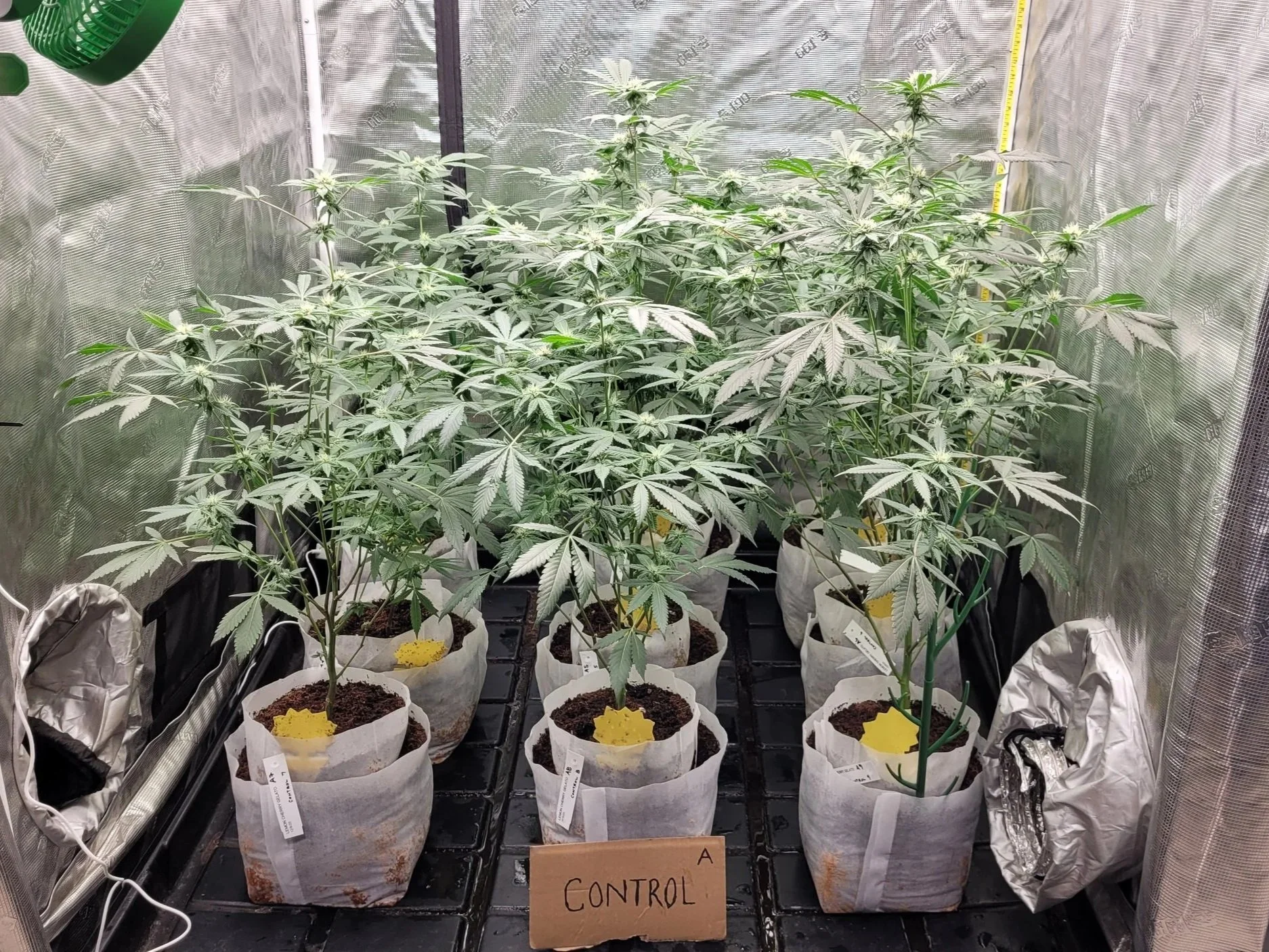
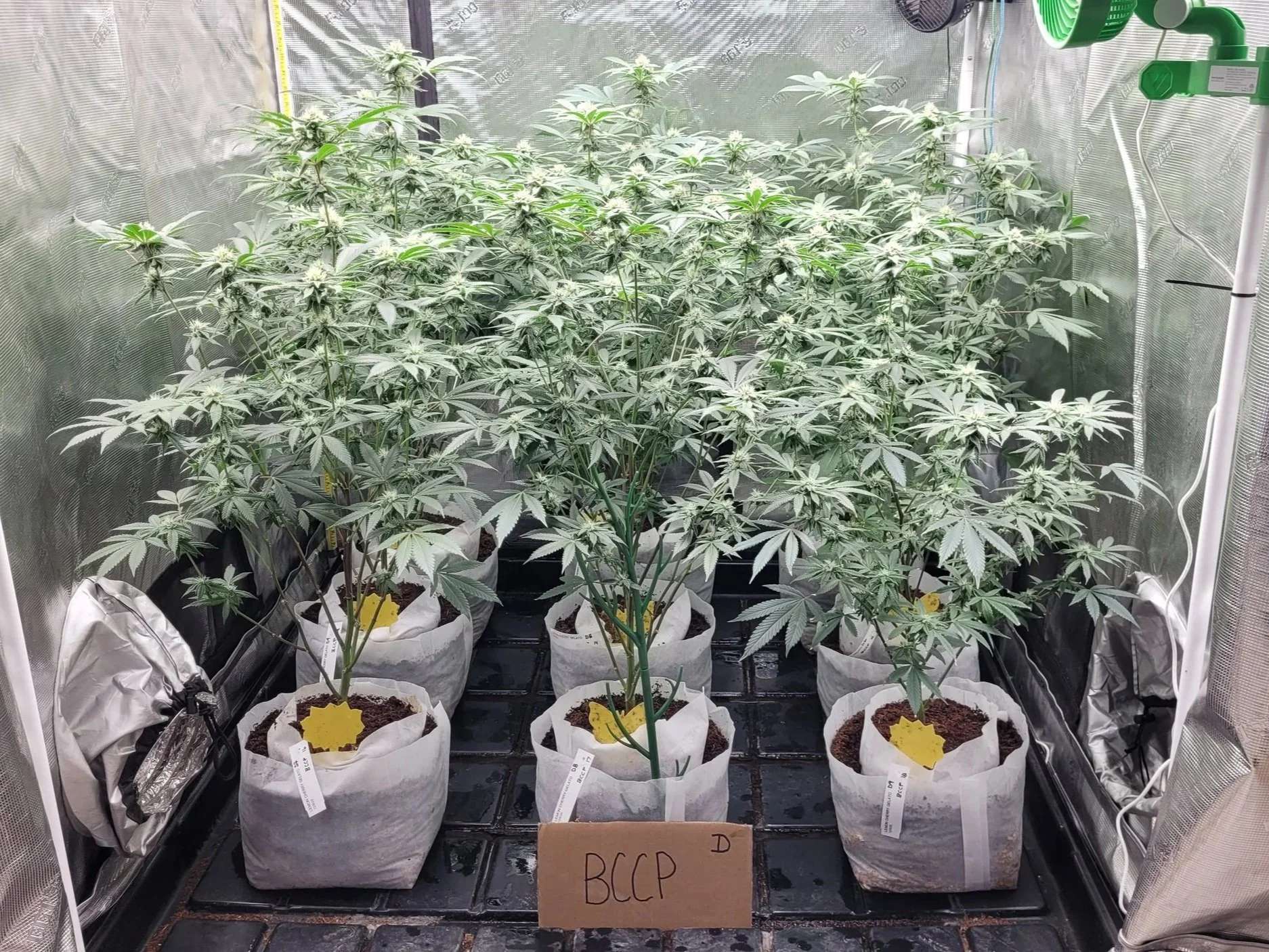
Identical clones, under identical conditions, the medicinal plant Control canopy (top) exhibits approximately 55–70 floral sites, while the BCCP-treated canopy (below) shows an estimated 95–135 floral sites. The BCCP canopy demonstrates broader canopy fill, shorter internodes, and significantly more lateral branches reaching the light plane. Floral tops are more numerous, closer together, yet remain distinct.
Increased root development, structural vigor and biomass development
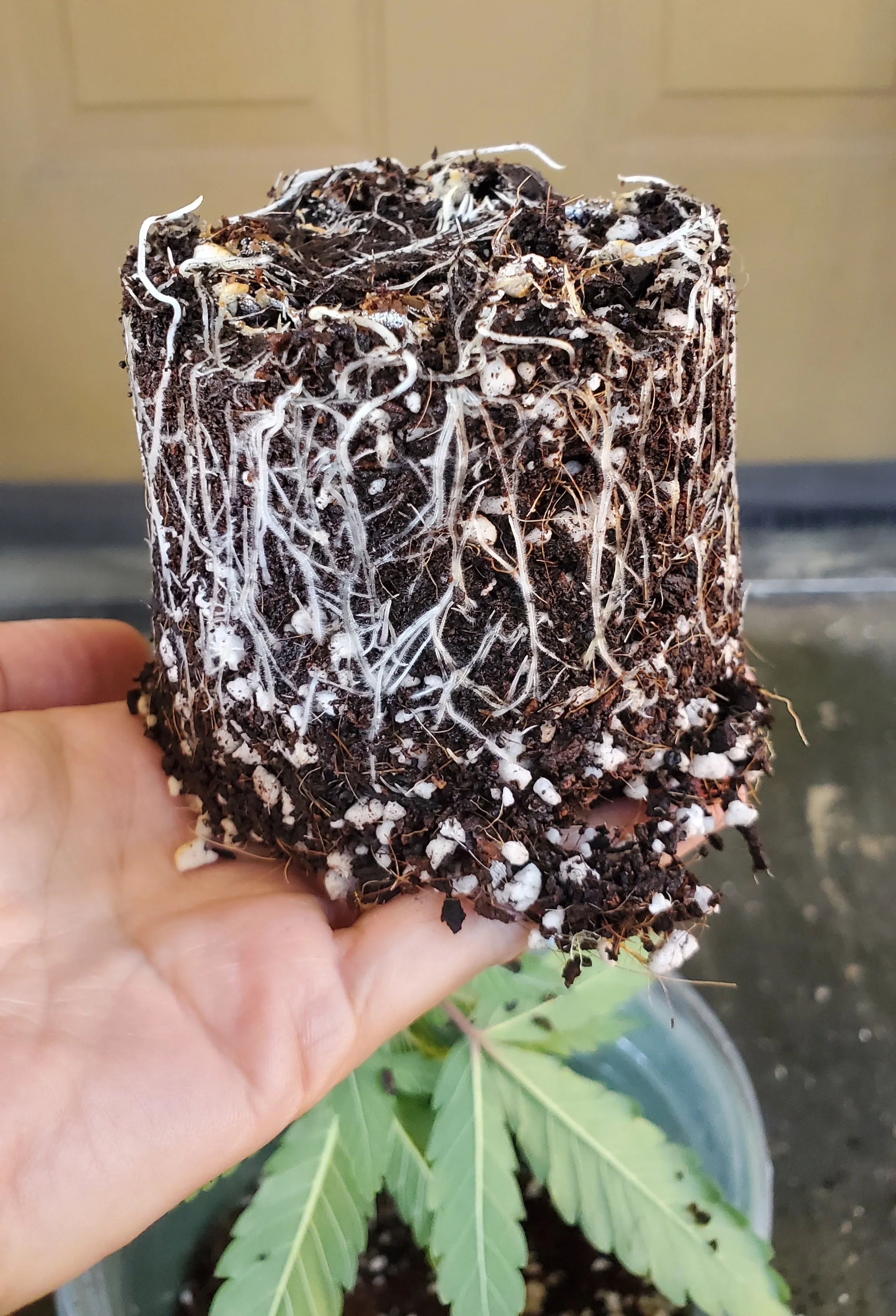
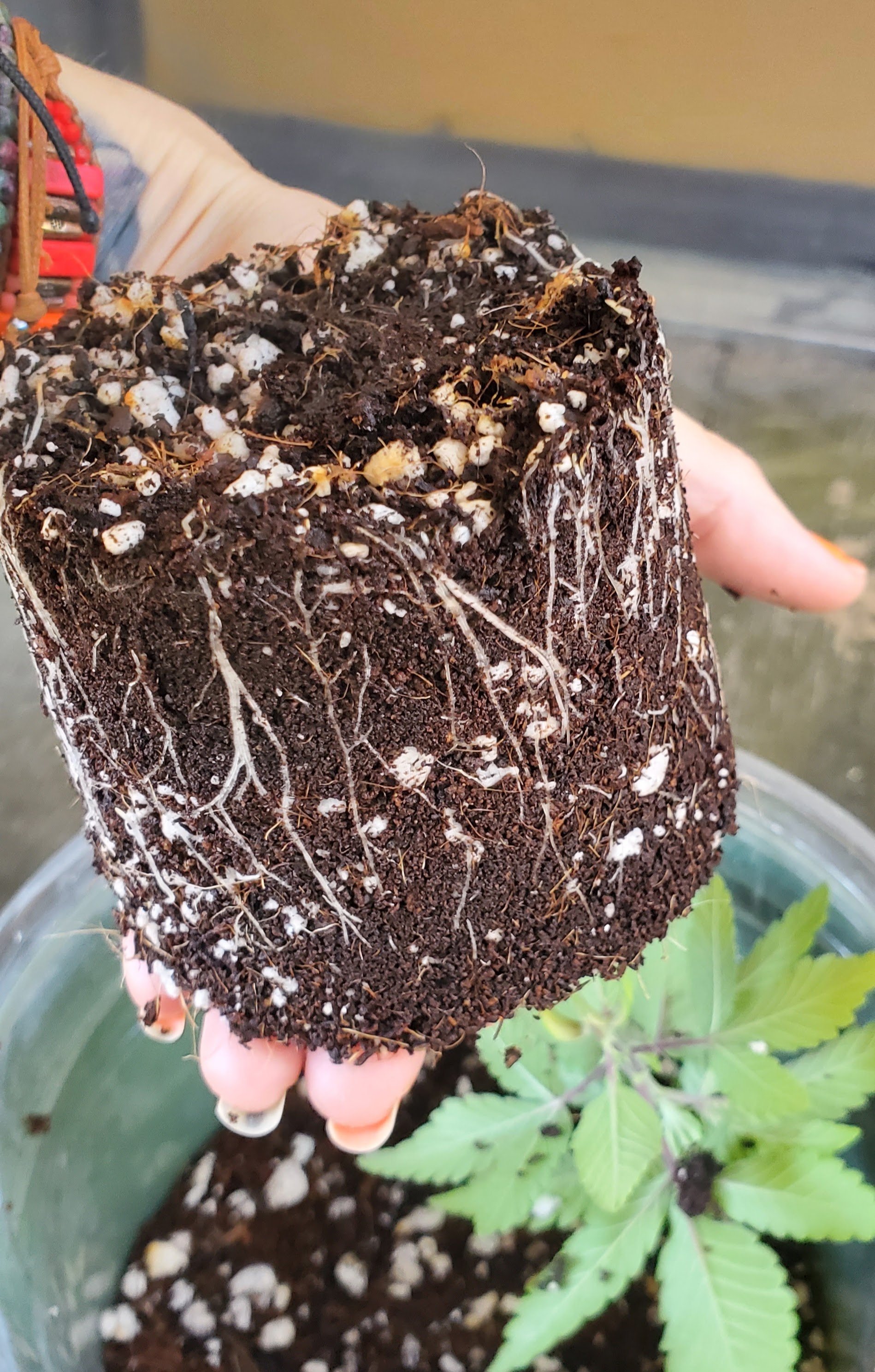
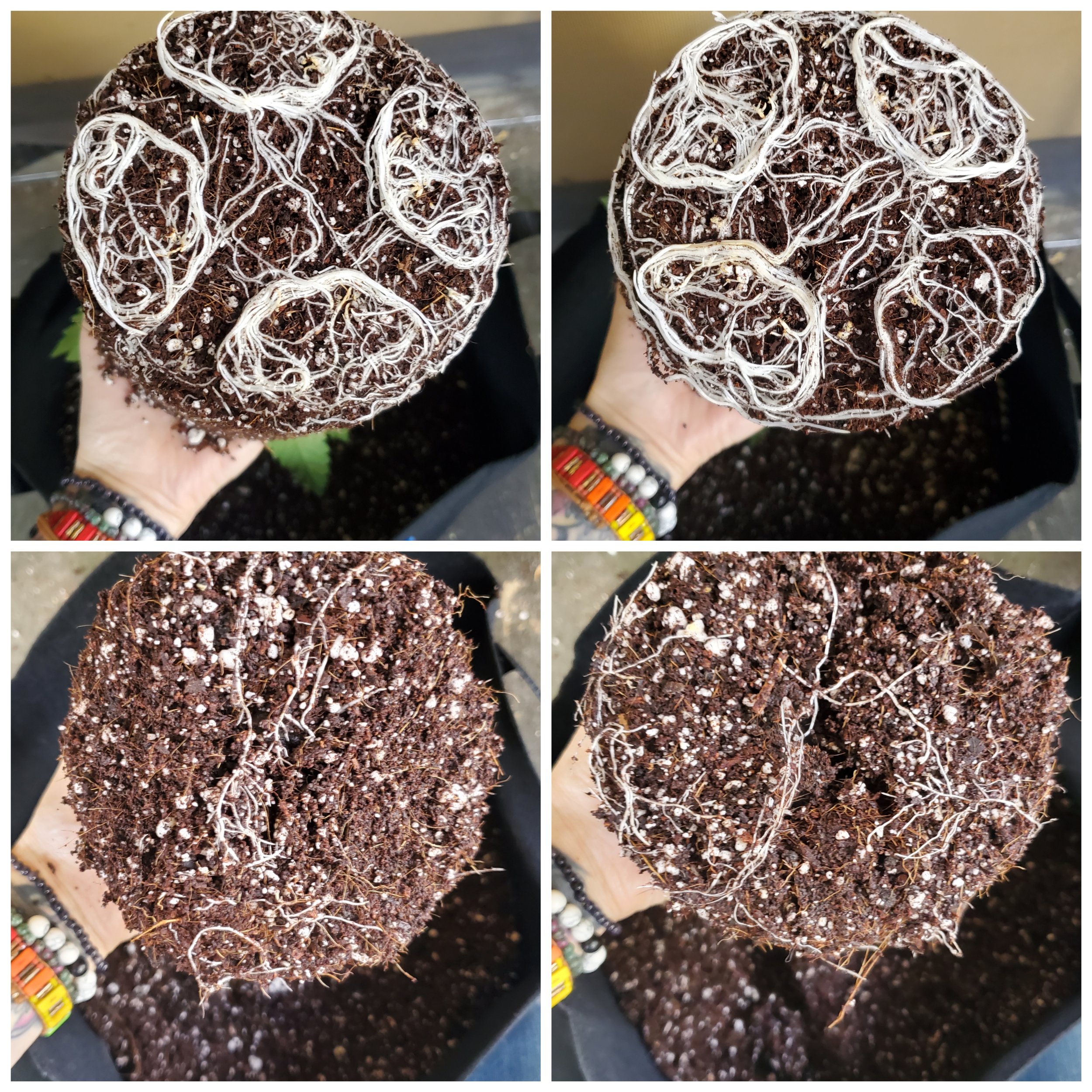
Root system comparison under identical conditions: BCCP-treated plants (right and top) and untreated controls (left and bottom)
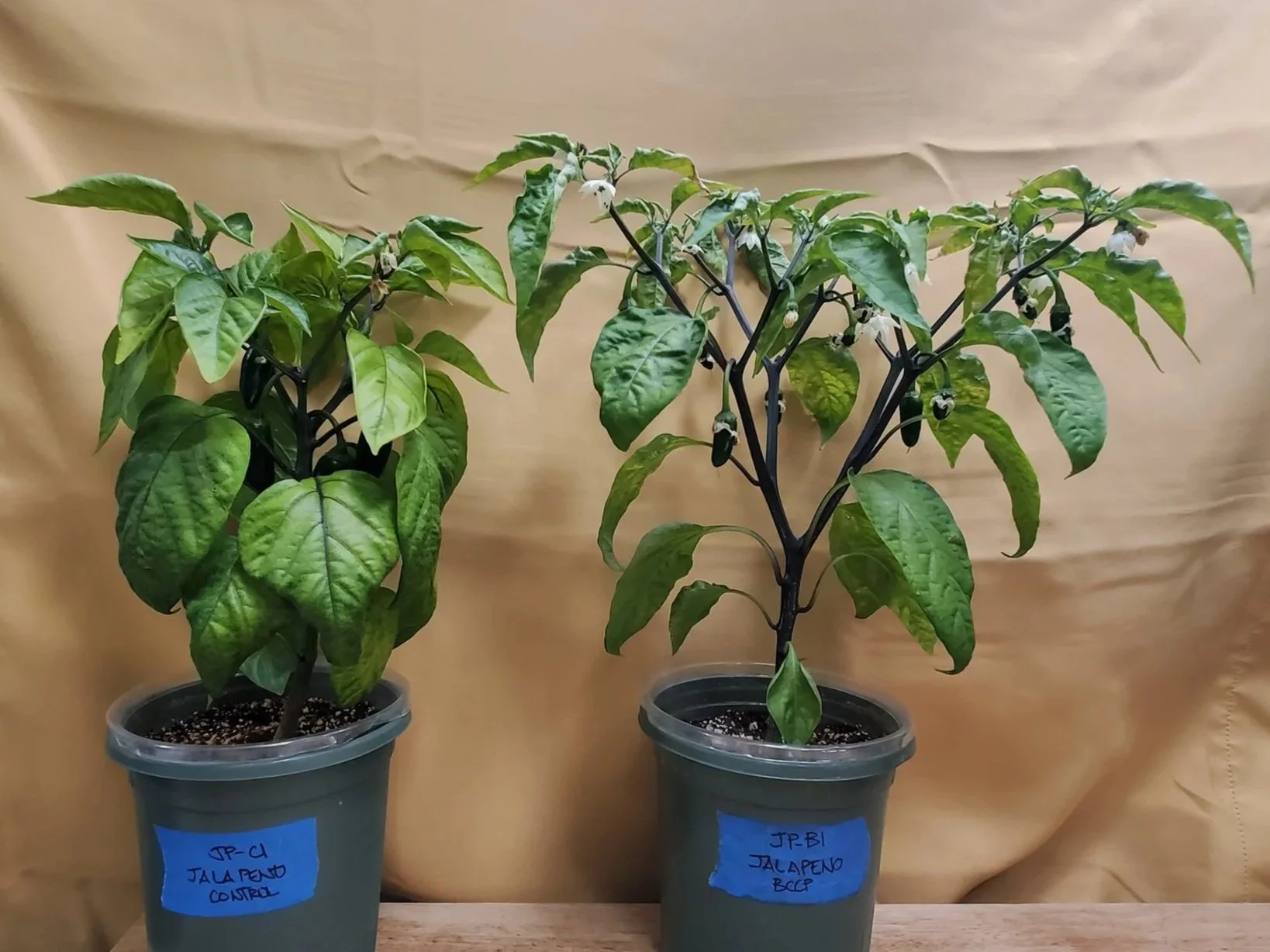
In the image shown, the control Jalapeno (left) has 4 developed fruits and 2 budding sites, whereas the BCCP-treated plant (right) has 10 developed fruits and 13 additional budding sites
Enhanced expression of measurable biochemical traits, including nutritional and therapeutic compounds
Provisionally patented Haivya Lemon Balm Purple is a novel medicinal plant phenotype developed under the Haivya BCCP platform, characterized by enhanced vigor, intensified purple pigmentation associated with elevated anthocyanin expression, and altered growth architecture. The phenotype emerges without genetic modification, chemical induction, or selective breeding, highlighting the platform’s ability to influence plant development through non-invasive, repeatable environmental signaling.
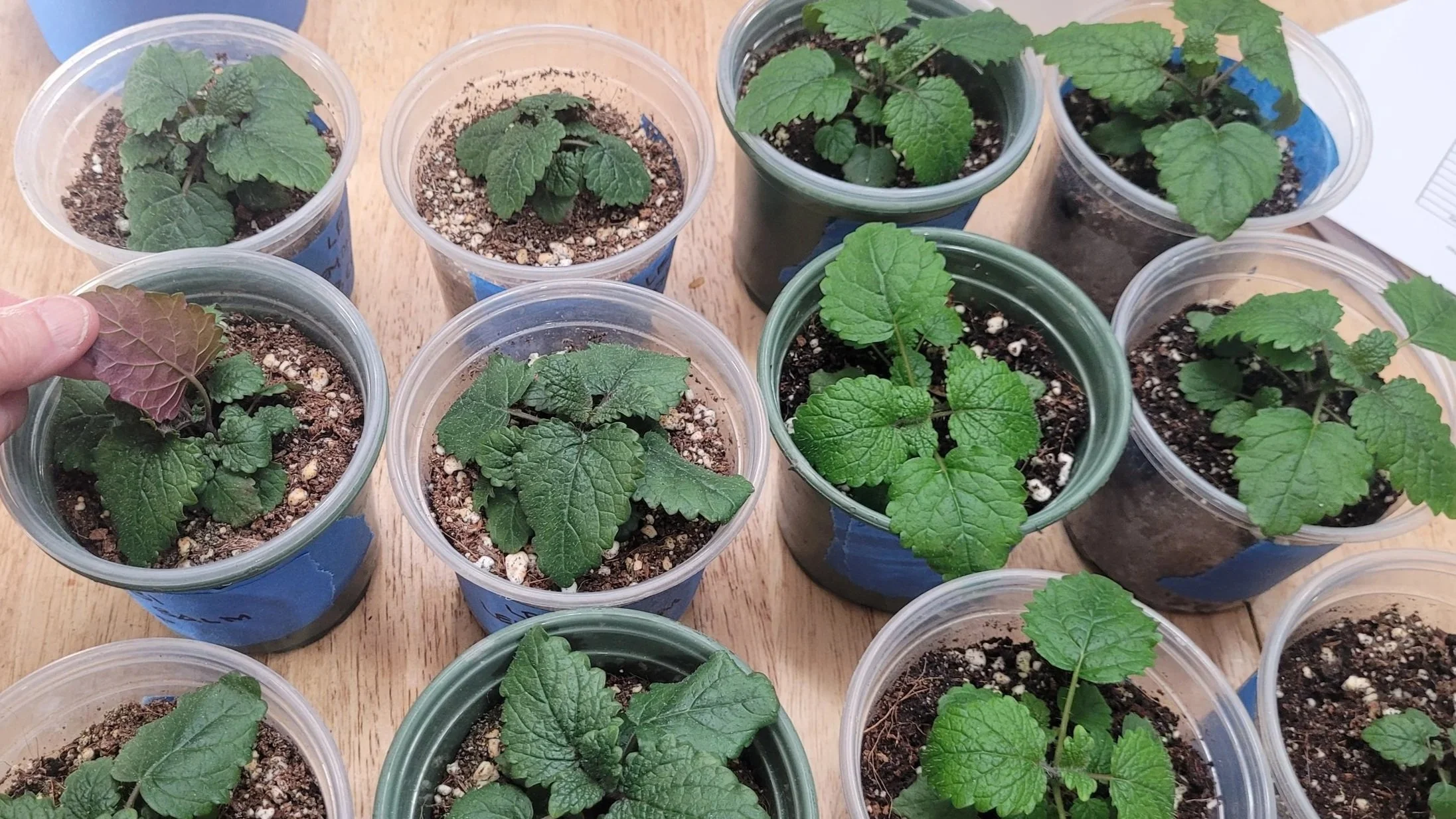
Lemon Balm seedlings from the same packet. The 6 on the left are BCCP-induced “Haivyan Lemon Balm Purple,” with enhanced pigmentation, a sign of increased biochemical production (essential oils), while the 6 on the right are typical controls.
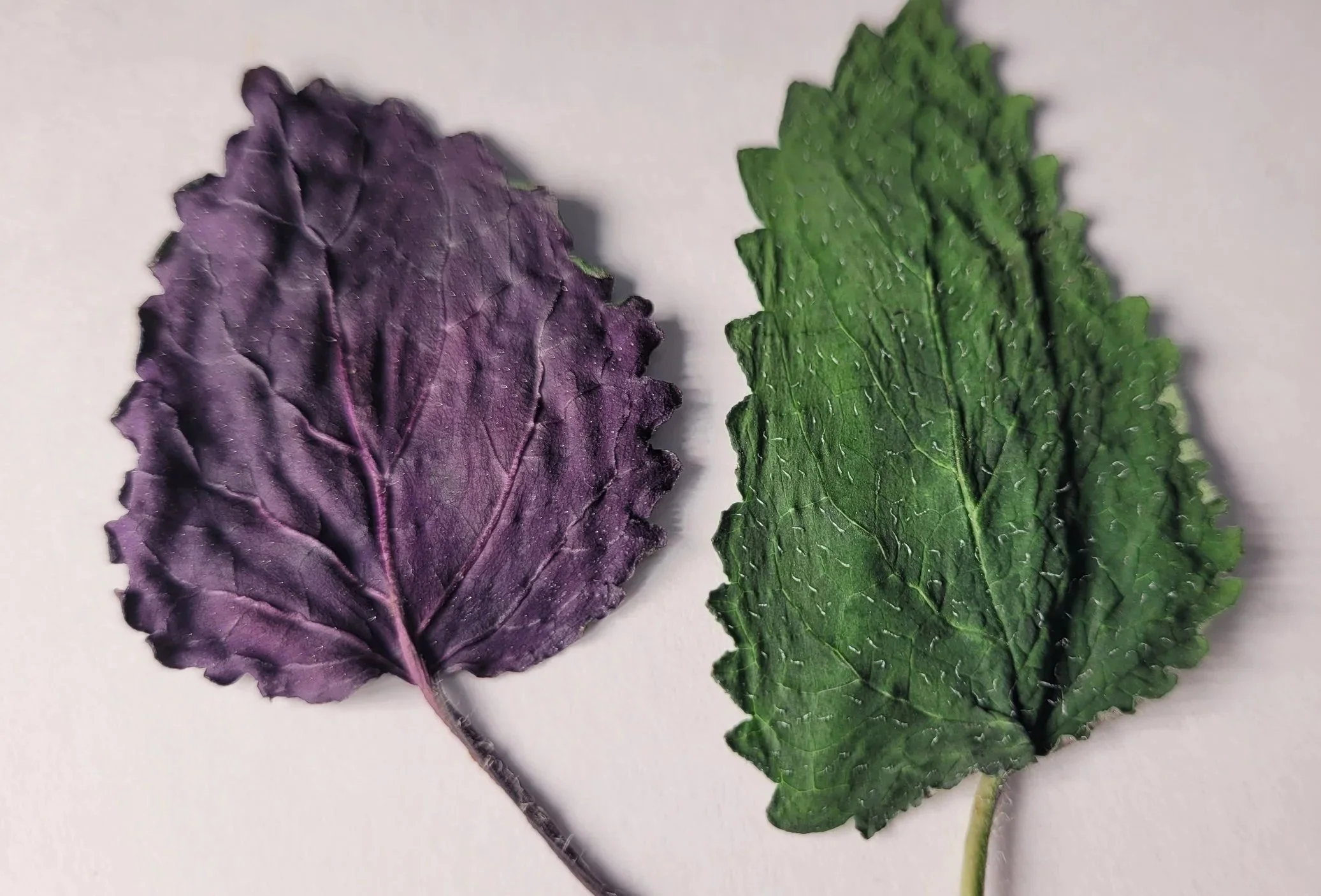
Early Anthocyanin expression in Lemon Balm. BCCP on left, Control on the right
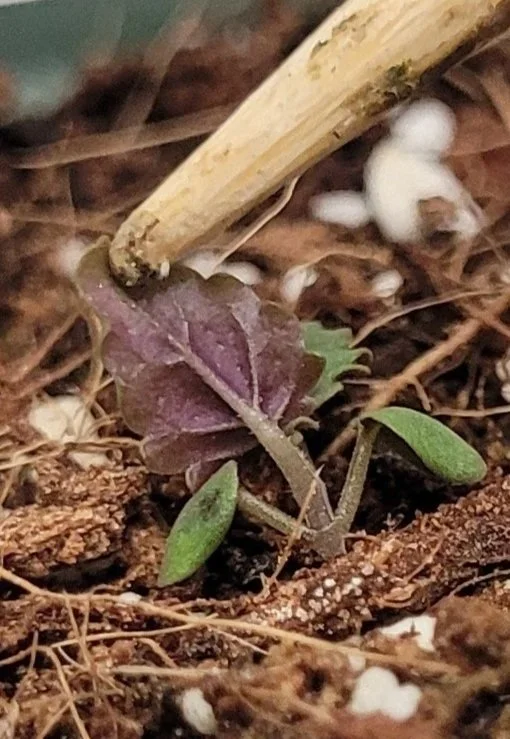
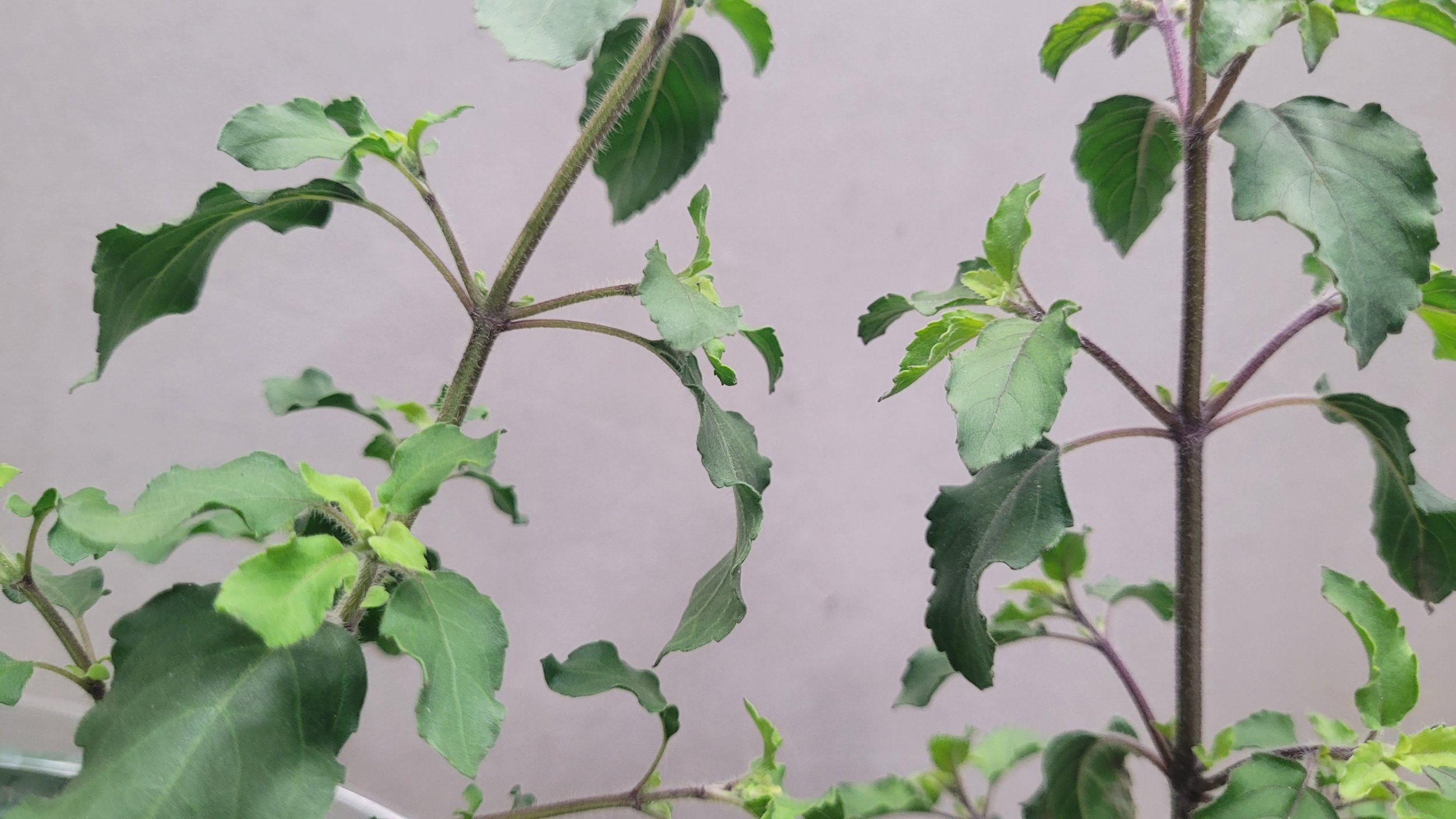
Visable Anthocyanin uptake in Holy Basil stemming and flowers. Control on the left, BCCP on the right
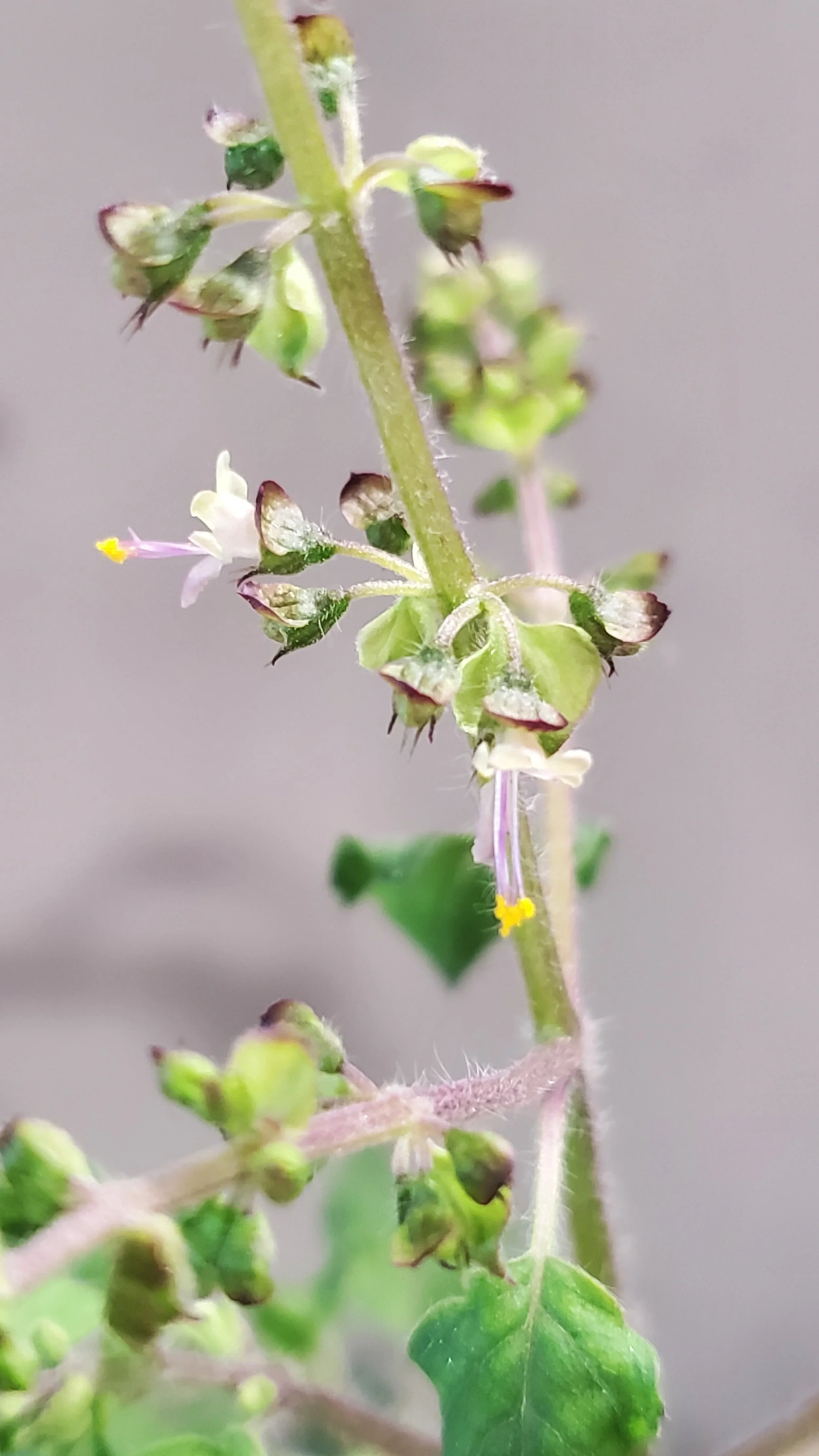
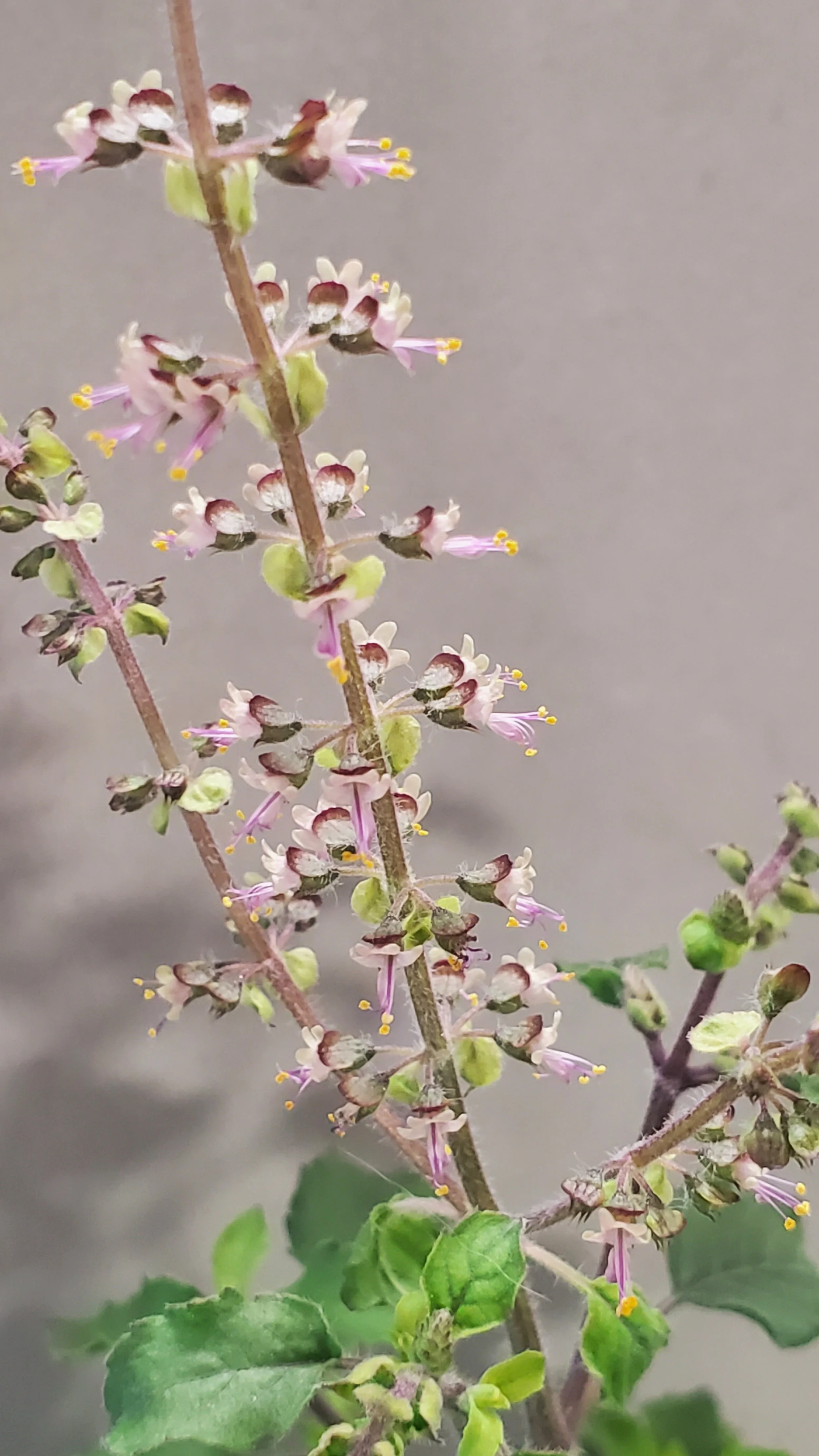
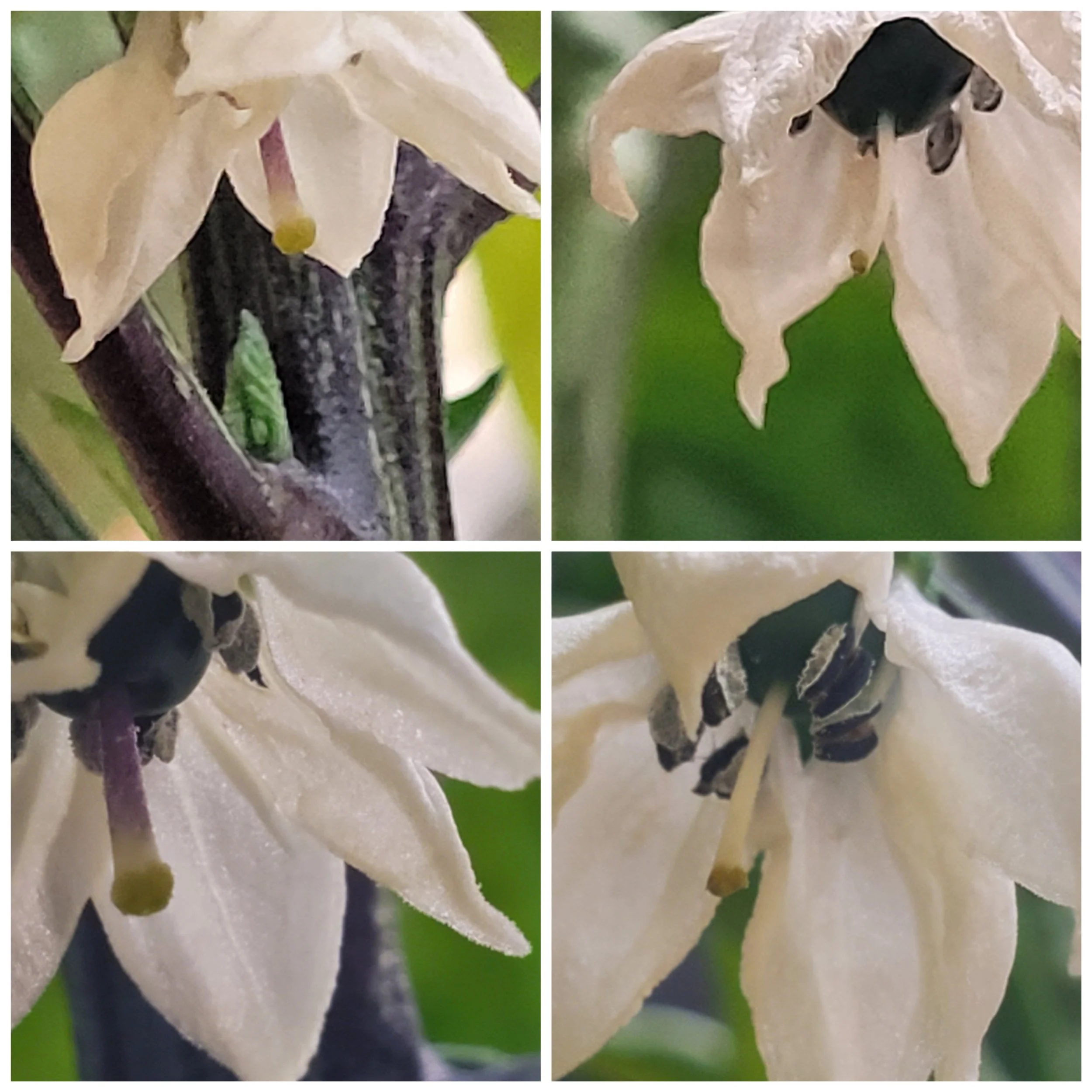
Bell and jalapeño flowers cultivated under identical conditions.
Plants exposed to BCCP (left) exhibit visible anthocyanin pigmentation in the pistil/style tissues, while untreated controls (right) display typical coloration. Anthocyanin accumulation in reproductive tissues is commonly associated with altered secondary metabolite activity and stress-response signaling.
Results documented across multiple plant species; third-party validation complete with large-scale commercial validation underway!